Right Gear, Right Place, Right Task

Croytec Land Rover: Puma Gear and Transfer Stick Assemblies

The key skill I advocate for people to engage with for being productive – and by that I mean living your best life (not just work!) – is planning. You will consistently fail to put yourself in the right place at the right time for the right task if you don’t plan meticulously.

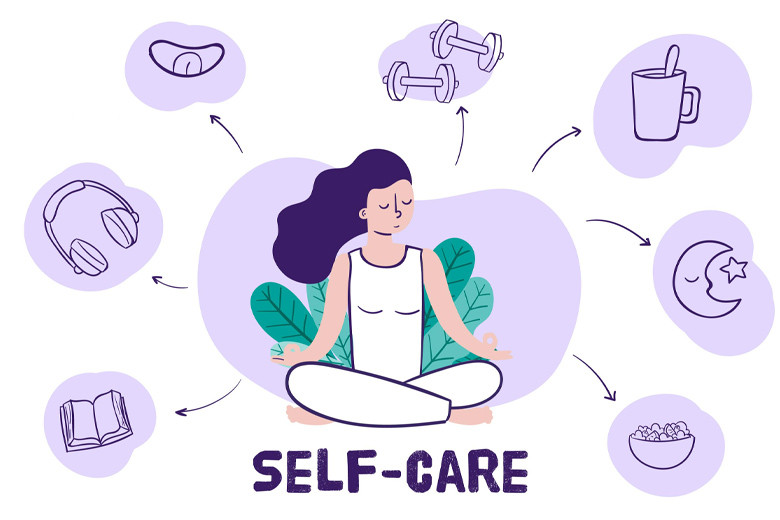
Planning means that you are where you need to be when you need to be there and in the right gear for the task. Being in the right gear also helps you to relate effectively to those around you. As well as knowing the ‘what to do’ and ‘why to do it’ of self-care we need to think about the when and where of self-care. We also need to be mindful of the impact we have on the self-care of others – both positive and negative. Remember, when I say self-care I don’t just mean the stuff you do to rest and recover. I also mean the self-care you engage in by being ready for tasks. In the right frame of mind and in the right place. Free from distractions if that’s what you need!
I keep mentioning gears – so let me tell you about this model that I heard about from….theGiANT Liberator Podcast hosted by Jeremie Kubicek and Steve Cockram. Find it here.

The Gears idea is not my idea. It is there’s. Although I’ve modified it slightly as I didn’t quite agree with a couple of points (despite their worldwide success!)

They suggest we spend our time in one of 5 gears – like the gears in a car. And it’s crucial to be in the right gear at the right time and in the same gear as those around us. So let’s have a look at what they say about the gears – slightly interpreted by me!

Take rest, to work better

1st Gear: Rest and recuperation

In a car first gear gets you going from a stationery position. First gear helps you get started. Going into first gear will also slow you down (ask anyone who has gone to change into 3rd gear in a car and hit first instead!) And first gear give you lots of control. When you want to do a tricky manoeuvre you need to be in first gear. So this is the gear to be in to get started or to move into to slow down to rest and recover.

It’s so important not to see self care as a ‘fall out’ option – it’s not something we need to do when we’ve ran out of energy, resolve, or personal resources. It’s something we do to maintain those things as best we can and we have to go to it before we hit problems – it’s a whole life thing. So getting into first gear regularly is very important.

We need to rest physically and mentally as good rest restores our attention to task. The problem with rest is we don’t do it often enough. Caroline Webb suggests we need a pit-stop strategy. We need micro pit-stops – a few minutes here and there for a quick recharge. Then a medium size pit strategy maybe at lunch time to replenish resources for the afternoon. And then a macro pit strategy for evenings and weekends. What are you going to do when you have a pit-stop to recharge?

Being outdoors is good for beating stress. Research has shown that from a psychological perspective it can be more effective than indoor exercise particularly around managing every day hassles and feeling mentally well balanced. Being outdoors in the early morning sunlight primes the process for sleep at the end of the day. Walking for 30 minutes beats stress and means you’ve already had some great physical exercise without barely trying. Walking mindfully, and deep breathing, is good for you. Research with social workers who engaged in mindfulness showed a reduction in sickness and stress levels…. suck in that fresh air!

The Lessons Being a Childless Woman Has Taught Me About Families

2nd Gear: Family and friend’s time

How we spend our time resting can be both a solo activity and an activity with others – rest is sometimes about actively engaging (trips out, going for a walk with others) as well as taking yourself away (journaling, meditation, walking on your own). Spending time with family is so important for our well-being and relationships. Been in 2nd gear when you’re with your family and they are in 2nd gear is essential.

In 2017 researchers Izenstark and Ebata wanted to see if time outdoors led to better attention on tasks and a strengthened a family bond. They selected mother-daughter pairs where the daughter was between 10 and 12 years old. Firstly, they were tasked with going for a walk outside or around shopping centre. Their ability to attend to a task was tested before and after the walk and then they were asked to play a game together that required teamwork.

Those who benefited the most were the mother-daughter pairs who had walked in the natural setting rather than in the shops. Positive interactions between mother and daughter improved after the outdoors walk. Attention was improved for the mothers during the nature walk and during both walks for the daughter. The nature walk created a positive impact on both cohesion and closeness. The mothers and daughters were unanimous – the nature setting was more relaxing or as psychologists call it – Softly Fascinating.

How to get on with your work colleagues - Lincoln College

3rd Gear: Social Connections (Friends Family & Colleagues)

I’m thinking here of the time you spend with colleagues particularly, not doing the work but socialising. Time spent socialising in work settings or during breaks at work is really important. The relationships we have at work have an impact on overall quality of life but also on the psychological safety we feel in those places. That’s the ability to feel comfortable enough with a group of people that you bring your authentic self to the work you do. You feel comfortable sharing all of your ideas and are part of the team. That chat making coffee or at the water cooler is so important.

The connections we share beyond our most intimate family and with our friends are also important for our well being. The secret in the workplace is to not let people in 3rd gear get in the way of you when you are in gears 4 and 5.

Sitting in Front of the TV May Be Worse for Your Heart Than Sitting at a  Desk | Live Science

4th Gear: Work Tasks

The ‘Work Tasks’ I’m thinking of here for 4th Gear are all of those things that you need to do that maybe connect you to other people or get things organised for the day. Your planning time, quick conversations with colleagues or your manager to check things out, emails, phone calls. Short tasks that you need to do to get things moving forward or to keep things moving forward. But not your ‘Deep Work’ tasks. They are for 5th Gear. You should start your day in planning mode – visualising you day, checking you have all the things you need to hand for all of your tasks, and at the end of the day making sure all is in order for tomorrow. This helps you connect at the start of the day with tasks you need to do and then disconnect from work at the end of the day – so you can leave it behind.

7 ways to stay focused at work

5th Gear: Deep Work

Deep Work is the work that needs your absolute focussed attention to the elimination of all distractions. Work that requires you to be in ‘flow’. Crucial here is right place and right time for the right task. You can’t do Deep Work if you are wondering whether everything is sorted for later or tomorrow or tonight or if there are unmanaged emails – that’s why you have to move through the gears in order. You can’t do Deep Work effectively if you are constantly being interrupted.
Gear Problems

Our relationships with people and tasks work best when we are in the right gear at the right time for the right task – and in the same gear as those around us and when in social environments or communal environments (workspaces or with family friends and colleagues) we are in the same gear.

Imagine you’re in 4th Gear – working on your planning or short tasks or 5th Gear Deep Work. Maybe you’re writing a report or you’re deep in reading something – getting stuff done – and someone enters your workspace in 3rd Gear (Social Connections). ‘How was your night’ ‘Did you see that thing on the TV’ ‘You’ll never guess what happened to me on the way in’ ‘do you want a coffee’. You have a choice – either stay in 4th or 5th gear and try your best to stay focussed (difficult!) or you change down to 3rd gear and match them causing you to stop work. Now – there are positives and negatives in every situation – I don’t knock work based conversations for beating stress – but there is an impact. This is particularly difficult in organisations that allow us to work flexibly. I’m a 7.30/8 person for getting into work – so by the time some of my colleagues arrive at 9/9.30 I’m at least in Gear 4 or even Gear 5. They are in Gear 3 hell bent on getting me to engage. The problem with human nature is that we don’t like to ignore people, so we change down and stop what we are doing – this means we take a productivity hit because of the actions of someone else. We need to be mindful of this.

Later in the day….. Imagine you need to be in 5th Gear because you’ve got some deep work to do – that report to write – and the chatter keeps dragging you back to 4th Gear or 3rd Gear. The irony is it’s often someone off-loading – often about how much they have to do and how they wonder how they are even going to get it done! They are not getting on with their task and now they’ve stopped you! Right place for right task! If you need quiet find quiet. My hope, as one of the consequences of this last year is that organisations can see that people do get stuff done when in other places. Deep work needs quiet. For some quiet is at home. Or maybe we need some sort of isolation booth in the office for people to deep work in. One thing is for certain, noisy open plan office environments are not good for deep work. They are good though for collaboration and idea exchange and professional support – so I’m not knocking them…. Right place for the right job.

Another example….. you get home and everyone else is in 2nd gear – family time – and your head is still at work in 4th gear – working mentally on all of those unfinished and unmanaged tasks – collision course! Right place for the right task – this is your time and your family and friends time. Maybe you’re at home and you feel the need to check your work emails dragging yourself into 4th Gear when you should be in 2nd gear or 1st. We need to think carefully about the message this sends to the people around us.

So, we need to move through the gears

You start the day coming out of a period of rest – you will have been asleep (Gear 1) – you may even do some Gear 1 activities when you start your day – quiet cup of coffee, or read a book, maybe some yoga. You may well then move into Gear 2 and connect with those around you before heading off to work where you will hit Gear 3 and maybe pass the time of day with colleagues. You will then need to move into Gear 4 – planning, emails, short tasks and then eventually you will settle down into Gear 5 Deep Work. You will move between 4th and 5th Gear throughout the day and slip into 3rd Gear for lunch. At the end of the day you will come down to Gear 4 and deal with short tasks that have accumulated while you have been Deep Working. You will change to Gear 3 as you bring your working day to an end, then into Gear 2 as you connect with family and friends and then Gear 1 as you rest. You might, on an evening or a weekend, drift between Gears 1, 2, and 3, but what is crucial is right gear for the right ‘job’. Right gear allocated to the right time, and being conscious of the gear those around you are in.

Structure is everything to generate flow. Flow is the art of being in the moment to the exclusion of everything else – with your family totally, with your colleagues totally, one your own totally for deep work or for rest. Planning and routine are the dominant forces in this area

Right gear – right environment – for the right task – at the right time

That takes planning

Set your Intention for the gear you are in – Pay Attention – Rest – Repeat

Stephen Covey’s 7 Habits for Highly Effective People

How to Form Better Habits as an Entrepreneur

The message that I’m going to give you here is a simple one….

Keep engaging in the same habits and you’ll get the same results
Engage in different habits you’ll get different results

Simple!

So if you are aceing all of your habits – good job! But maybe a little reflection on our habits at some point is good for us all. What are the things that are constantly getting in your way? What are the things you do that seem to keep throwing you off course? What might you want to change, what might you want to be different? What habits would make things better. Pick better habits and you’ll get better results.

When thinking about developing a habit – Think trajectory as well as goal

We set goals quite easily but we need to plan how to get there. Habits help us achieve things. Habits help us achieve our goals (or they get in the way!)
How you go about your business is more important than the goal (even though the goal is important). ‘I will run 3 miles’ is a goal – but you won’t ever do it unless you figure out what the process is to get there. You need to break the goal down into manageable steps and form habits to get you there. And if you engage in negative habits they’ll get in the way of running 3 miles.

Small changes over a period of time lead to big changes

Changes that are small and seem unimportant (going for a walk, eating well, drinking less caffeine) appear unimportant but compound over time – daily choices compound over time

Small – fairly inconsequential steps – lead to massive transformations. We needed to develop positive habits (and maybe hang onto one or two of the bad ones ;-)!) The problem is some of the ways we operate can have a negative impact on us overall.

Zoom out

The problem is when we’re stressed – when we’re up against it – we tend to have a narrow view of what’s going on – we focus on the single thing causing us stress. What we need to do is zoom out and look at the big picture. And when we stand back a clearer picture often emerges. When we stand back it allows us to think about a priority. It gives us the space to consider next steps. It gives us the chance to consider what we may need to change in our environment or in terms of our habits – what we need to change in ourselves. Looking at the bigger picture can help us overcome overwhelm as long as when we’re looking at the bigger picture we take what we find, break it down into what needs to be done, and then make a start.

Stop Setting Goals And Start Building Habits - Focus

Construct habits one step at a time – start small looking for small changes that will lead to transformation

So, what habits might we want to think about establishing – what things can we focus on that over time might transform how productive we are at life….

Stephen Covey’s 7 Habits

Proactive vs. Reactive: How Savvy Use of Analytics Helps Contact Centers  Navigate and Adapt to Uncertainty | NICE inContact

1. Be Proactive

The problem is that people are much more inclined to be reactive. Rather than plan, rather than control what they can, they just wait to see what happens and then react. One of the things we can do is bring the future into the present and consider it, so that we can, as far as possible, predict it. This has a fancy word. It’s called planning. ‘Control it or it will control you’ (David Allen – Getting things Done)

Visualize: Business Lesson #1 - International Image Institute

2. Begin with the end in mind

Where are you going and how are you going to get there. Visualise what you want to achieve this week, this month, this year… this life! This is rooted in your values. Covey talks about Personality Ethics – how you look from the outside – your image – your concern for how other people view you. He says that this is not what we should be rooted in but rather we should be rooted in character ethics – what we are inside. The fabric of our person, not what we look like to other people is what’s important. Values – your values – should drive your goals and your habits

First Things First - YouTube

3. Put first things first

There is a disconnect about how we talk about the things that we know are good for us – or the things that we want to do – and actually doing them. Most of know what we should eat and that we need to exercise but do we do these things effectively!? We procrastinate – which is the art of ruining your life for no apparent reason!

We allow ourselves to disconnect from the things that really matter
From activities, family, friends and rest.

You need to figure out what your first things are by ‘Beginning With The End In Mind’ and then by ‘Being Proactive’ in pursuing your first things first. The science and the research tells us what the first things should be. Rest and recovery, sleep, exercise, nutrition, connecting with others.

How to Create Marketing Win-Win Scenarios - Trade Press Services

4. Think Win-Win

Thinking win-win is about connecting things together (This is not quite how Covey talks about it – but similar). Combine things to encourage habits by connecting something you don’t like doing with something you do like doing – win – win. Instead of walking the dog on a morning – I run with the dog. The dog gets ‘walked’ and I get a run!

Or see planning as a productive process, not time wasted, but time invested
It will mean that you feel more in control of the tasks you have to do and then when you get to the task it will mean you should have everything you need in place. You’ll be in the right place at the right time for the task you are undertaking. So stopping and taking precious time out will be good for you and will mean you get to stand back and take stock and then be better organised – win – win

Research tells us that unmanaged – incomplete tasks drain psychological energy and capacity but managed tasks – even when still not completed -have less of a psychological drain. This allows you to focus on the task at hand while the other tasks wait patiently for their turn. So spending that precious time in planning means you can leave behind the things that are waiting to be done and get on with the next thing you need to do.

Journal Club: How much you think you understand depends on what you believe  others understand | National Academy of Sciences

5. Seek first to understand and then to be understood

By understanding the other person first, you will have taken time to build a relationship and you will be able to cooperate effectively in whatever you are doing. This will support a good working relationship or a good family relationship and will improve the emotional content of interactions.

Seeking to understand may be self reflection. You may be trying to know yourself better or understand what you may need to changed. Know yourself to lead yourself.

Use These 5 'Cogs' to Plan Lessons Like a Pro

6. Synergise

The whole is greater than the sum of the parts. In all the areas of self-care (physical, emotional, practical) small steps over time will lead to big changes and all of these things interact and support each other…..
– you eat better – you feel more like exercising – you exercise – you sleep better – you sleep better you work better – you work better (more efficiently) you feel more able to rest – you rest better you feel more able to look after your nutrition or you exercise – and so it goes.

Also, collaborate – synergise with others. Work with your family on meal prep, buddy up for exercise, make a pact to take a lunch break and lunch together with a colleague.

Self-care is very important. Here's why you need to invest in YOU! |  Goodhomes.co.in

7. Sharpen the saw

Self care is a necessity not a luxury. If you spend all of your time sawing down trees your saw will become blunt. If you don’t take time to sharpen your saw the trees will take longer and longer to cut down. We need to keep our minds sharp by resting and recovering effectively and by initiating good self-care.

Growing Healthy Habits - CrossFit Leyland

Keep engaging in the same habits and you’ll get the same results

Engage in different habits you’ll get different results

Be productive everywhere!

Let me explain just what I mean by being productive!

The problem when I say ‘be productive’ is that most people immediately start to think about being productive at work, or maybe at study. But for me that misses out whole other parts of our lives where it is great to be productive.

You may think I’m mad when I say that we need to rest productively. Surely that doesn’t add up. Surely the point of resting is to be not productive. Well, maybe that is so in terms of how we think often think about rest. But how many of us try to rest, relax, and recuperate only to find our minds drawn back into what needs to be done in others places? How many of us try to rest in ways that aren’t helpful… or productive.

Let me give you an example of unhelpful rest….. I love to ‘rest’ by drinking a bottle of red wine …but ….I pay for it the next day. The rest I engaged in wasn’t productive. Yes it helped me switch off, it did help me relax. Alcohol does that. But was it productive? Now this is not a binary. It’s not as simple as – some things are productive (or helpful) and some things are not. In fact Professor David Nutt in his book ‘Drink?’, while being clear that there is no safe drinking limit (alcohol is for the most part not good for us) we all have a point where we get the benefits from it without the negative effects the following day. My point is about 2 small glasses of red wine. I feel relaxed and have no ill effects on my sleep or the next day. The problem though is that after 2 glasses of wine it’s so easy to have a third or fourth! Inhibitions and control obliterated – full-tilt wine drinking!

That’s my nemesis anyway. Yours may be different. You might ‘rest’ by engaging in social media and that is fine. I love social media. But, like the alcohol example, once you start mindlessly scrolling and not actually mindfully engaging you will ‘come up for air’ half an hour or more later and feel cheated. I know, believe me, I know!

We need to engage with our rest so that it’s productive. We need to plan what we are going to do and then engage in it mindfully. All that simply means is become absorbed in it to the exclusion of everything else so that we can switch off to all of the other things going on – take a rest from the rest of life in a way that is not detrimental to us later. Give ourselves some head space. Do something that enriches us not takes more from us. I’d argue that overusing social media (mindlessly scrolling), over eating, drinking too much, watching just whatever happens to be on TV rather than carefully choosing something… all have a negative consequence.

And that’s the thing with self-care. In fact that’s the thing with any action. There will be a consequence. This is why we have to personalise our self care. If you are happy with the consequence of your action (I mean truly happy!) then keep doing that. If you feel any sense of guilt or regret then you probably aren’t happy with the action. So change the action. Keep engaging in the same habits you get the same results. Change the habit you get different results says James Clear in his book ‘Atomic Habits’.

There was a study I read about some time ago. The researchers explored the difference between people who planned their weekends and then engaged in the activities they had planned and people who just did whatever came to them and drifted through the weekend. They found that people who had planned their weekends and did the things they planned felt a sense of achievement and felt rested (productive rest) while those who drifted mindlessly through the weekend felt frustrated that their weekend was nearly over and wondered what they’d done with the time (negative rest). The fascinating thing was that when they looked at what each group had done they had largely done the same things. Yet the planners had less of those Sunday night, back to work tomorrow blues, because they had productively rested.

Planning, as I say time and time again, is everything. Make a plan, deliver on the plan, repeat!