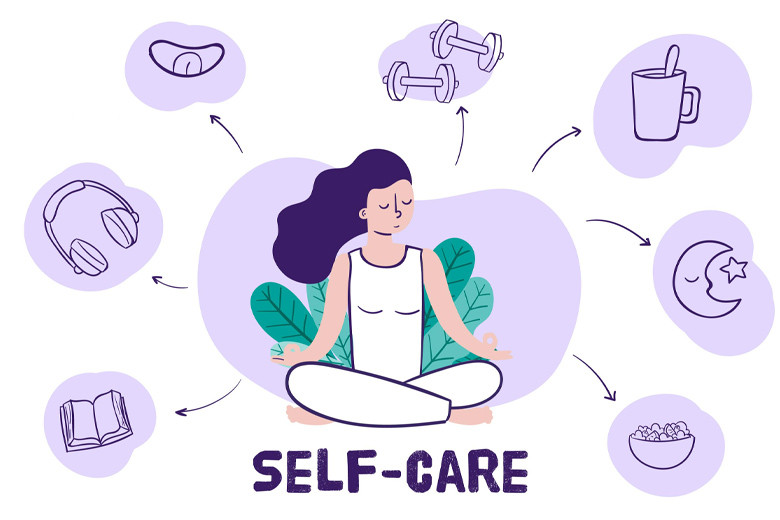
It’s really hard to stay motivated and focussed isn’t it. I find I’m on about a 3 or 4 week cycle with many things like exercise and nutrition. I have maybe 2 to 3 weeks of intense focussed helpful activity and then into the third week things slide and then in the fourth week things have morphed into disaster. No run and lots of crisps. Familiar?
There is a huge disconnect in our psychology somewhere that means we know exactly what we need to do but often don’t do it. I know what to eat, I know that exercise is good for me but doing it routinely day in day out takes huge effort!
I’ve always thought, and still do, that change has to come from within. We have to want to do something different. As Daniel Pink says in his book ‘When’, keep engaging in the same habits you’ll get the same results. Different habits, different results. We’re approaching the new year, a time of resolutions and ‘this is my year’ talk. The reality is that starting to change on January 1st is no better a time than May 18th, or October 7th. The days are all the same. I’d argue that January isn’t a good time to try and change anything particularly around nutrition (there will still be left over festive goodies) or exercise (it’s cold out there, and dark!) When we start to do something like this and don’t continue we feel guilt and revert back to old behaviours because they are comfortable.
If what you are doing isn’t working maybe it’s time to try something different.
What’s interesting is that there is a view that effort begets motivation. Now, I’ve always thought that I should do things to prepare myself to stimulate motivation and then get on with the task at hand. This turns that around and says that actually by just doing something, however small, you will generate motivation.
There’s the story of the man that did one press-up. I’m not sure if this is a true story or an allegorical tale but either way (I found it online) the man in question wasn’t getting anywhere with his exercise routine and wasn’t feeling motivated so asked himself the question, ‘what could I do to get started’. One press-up. So he got up the next day got on the floor and did one press-up and fuelled by this success he thought – well now I’m down here I might as well do another and another. The success of the small effort led to a motivation fuelling loop.
This has a name and it’s called ‘The Power of Small Wins’. When we do something, however small, we feel good and we get a little dopamine rush. Dopamine is our feel-good hormone. Feeling good motivates us on to do something else. Effort begets motivation.
It’s the same when we feel overwhelmed and don’t know what to do. Overwhelm is very demotivating – I don’t know what to do so I’ll procrastinate and do nothing. We have a predilection for the easy. So when overwhelmed do something, however small, and this has a snowball effect. You will gather pace, enthusiasm, and motivation.
The message that I’m going to give you here is a simple one….
Keep engaging in the same habits and you’ll get the same results Engage in different habits you’ll get different results
Simple!
So if you are aceing all of your habits – good job! But maybe a little reflection on our habits at some point is good for us all. What are the things that are constantly getting in your way? What are the things you do that seem to keep throwing you off course? What might you want to change, what might you want to be different? What habits would make things better. Pick better habits and you’ll get better results.
When thinking about developing a habit – Think trajectory as well as goal
We set goals quite easily but we need to plan how to get there. Habits help us achieve things. Habits help us achieve our goals (or they get in the way!) How you go about your business is more important than the goal (even though the goal is important). ‘I will run 3 miles’ is a goal – but you won’t ever do it unless you figure out what the process is to get there. You need to break the goal down into manageable steps and form habits to get you there. And if you engage in negative habits they’ll get in the way of running 3 miles.
Small changes over a period of time lead to big changes
Changes that are small and seem unimportant (going for a walk, eating well, drinking less caffeine) appear unimportant but compound over time – daily choices compound over time
Small – fairly inconsequential steps – lead to massive transformations. We needed to develop positive habits (and maybe hang onto one or two of the bad ones ;-)!) The problem is some of the ways we operate can have a negative impact on us overall.
Zoom out
The problem is when we’re stressed – when we’re up against it – we tend to have a narrow view of what’s going on – we focus on the single thing causing us stress. What we need to do is zoom out and look at the big picture. And when we stand back a clearer picture often emerges. When we stand back it allows us to think about a priority. It gives us the space to consider next steps. It gives us the chance to consider what we may need to change in our environment or in terms of our habits – what we need to change in ourselves. Looking at the bigger picture can help us overcome overwhelm as long as when we’re looking at the bigger picture we take what we find, break it down into what needs to be done, and then make a start.
Construct habits one step at a time – start small looking for small changes that will lead to transformation
So, what habits might we want to think about establishing – what things can we focus on that over time might transform how productive we are at life….
Stephen Covey’s 7 Habits
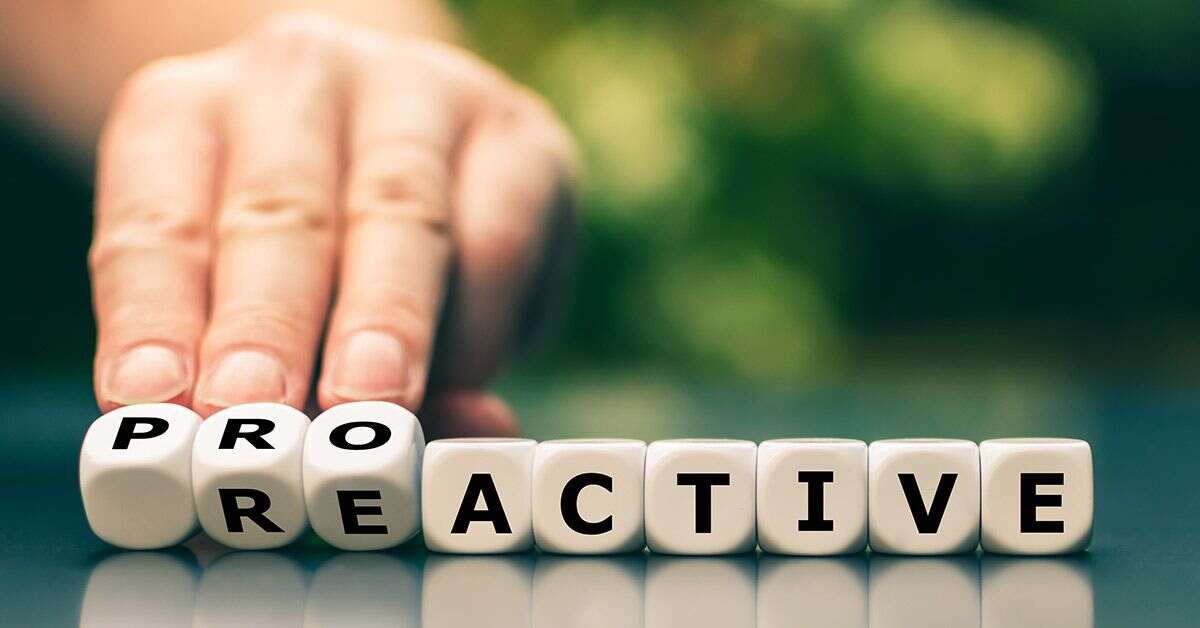
1. Be Proactive
The problem is that people are much more inclined to be reactive. Rather than plan, rather than control what they can, they just wait to see what happens and then react. One of the things we can do is bring the future into the present and consider it, so that we can, as far as possible, predict it. This has a fancy word. It’s called planning. ‘Control it or it will control you’ (David Allen – Getting things Done)
2. Begin with the end in mind
Where are you going and how are you going to get there. Visualise what you want to achieve this week, this month, this year… this life! This is rooted in your values. Covey talks about Personality Ethics – how you look from the outside – your image – your concern for how other people view you. He says that this is not what we should be rooted in but rather we should be rooted in character ethics – what we are inside. The fabric of our person, not what we look like to other people is what’s important. Values – your values – should drive your goals and your habits
3. Put first things first
There is a disconnect about how we talk about the things that we know are good for us – or the things that we want to do – and actually doing them. Most of know what we should eat and that we need to exercise but do we do these things effectively!? We procrastinate – which is the art of ruining your life for no apparent reason!
We allow ourselves to disconnect from the things that really matter From activities, family, friends and rest.
You need to figure out what your first things are by ‘Beginning With The End In Mind’ and then by ‘Being Proactive’ in pursuing your first things first. The science and the research tells us what the first things should be. Rest and recovery, sleep, exercise, nutrition, connecting with others.
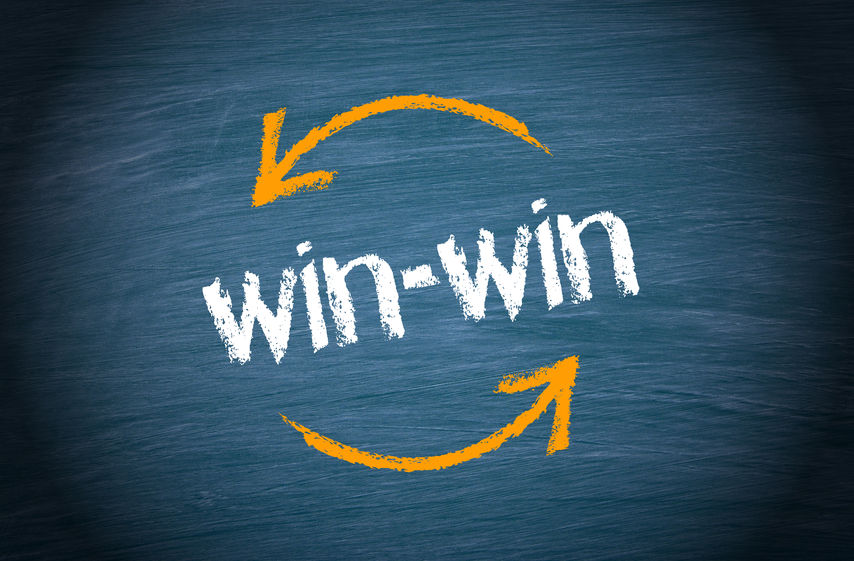
4. Think Win-Win
Thinking win-win is about connecting things together (This is not quite how Covey talks about it – but similar). Combine things to encourage habits by connecting something you don’t like doing with something you do like doing – win – win. Instead of walking the dog on a morning – I run with the dog. The dog gets ‘walked’ and I get a run!
Or see planning as a productive process, not time wasted, but time invested It will mean that you feel more in control of the tasks you have to do and then when you get to the task it will mean you should have everything you need in place. You’ll be in the right place at the right time for the task you are undertaking. So stopping and taking precious time out will be good for you and will mean you get to stand back and take stock and then be better organised – win – win
Research tells us that unmanaged – incomplete tasks drain psychological energy and capacity but managed tasks – even when still not completed -have less of a psychological drain. This allows you to focus on the task at hand while the other tasks wait patiently for their turn. So spending that precious time in planning means you can leave behind the things that are waiting to be done and get on with the next thing you need to do.
5. Seek first to understand and then to be understood
By understanding the other person first, you will have taken time to build a relationship and you will be able to cooperate effectively in whatever you are doing. This will support a good working relationship or a good family relationship and will improve the emotional content of interactions.
Seeking to understand may be self reflection. You may be trying to know yourself better or understand what you may need to changed. Know yourself to lead yourself.
6. Synergise
The whole is greater than the sum of the parts. In all the areas of self-care (physical, emotional, practical) small steps over time will lead to big changes and all of these things interact and support each other….. – you eat better – you feel more like exercising – you exercise – you sleep better – you sleep better you work better – you work better (more efficiently) you feel more able to rest – you rest better you feel more able to look after your nutrition or you exercise – and so it goes.
Also, collaborate – synergise with others. Work with your family on meal prep, buddy up for exercise, make a pact to take a lunch break and lunch together with a colleague.
7. Sharpen the saw
Self care is a necessity not a luxury. If you spend all of your time sawing down trees your saw will become blunt. If you don’t take time to sharpen your saw the trees will take longer and longer to cut down. We need to keep our minds sharp by resting and recovering effectively and by initiating good self-care.
Keep engaging in the same habits and you’ll get the same results
Engage in different habits you’ll get different results
It’s really difficult to figure out where to buy things for the best. Companies sometimes aren’t what they seem. How do you factor in all of the costs for a product? How do you figure out if a product is ethical or the company that produces it is ethical? And why am I talking about this on my self-care page?
Well, I think that self-care is rooted in values. Self-care is not selfish. Looking after yourself first is important but once you have that sorted then you need to think about looking after other people and things. The planet is high up on the list of things I want to look after. So as self-care, I feel, is about living a life that aligns to your values I want to do what I can to align what I can to my values as closely as I can. This is not going to be perfect and is a work in progress… so before you start with ‘ah but, yes but….’ bear that in mind. I still eat avocados. But have it under review while I figure what, if anything, I can do. They are really good for you (and lush) – so what do you do?
As ever my maximum is small steps over a long period of time have big impacts. So far I’ve started having my milk and eggs delivered by a local producer rather than buying from the supermarket… and a few other things. Let me tell you
My strategy is this. Buy local from independent retailers or producers. Then, buy from national independent retailers and producers. Then, buy local from larger organisations. Then buy national from larger organisations. Then global if ya gotta!
This lead me to discover a coffee roaster in a little village close to where I live. Fika! Matt and Lynn are the founders of the company because… as they put it…..
“we’re mad about coffee.”
They also go on to say “We also have great respect for the land and the people that farm it to bring the best quality speciality coffee to the UK. Fika means a social break in Swedish and our brand is inspired by Swedish folk art but our love for coffee actually originated from a six-year stint in Melbourne. We’re based in the fine cathedral city of Durham and are super excited to open the city’s first speciality coffee roastery so if you’re ever in town, please drop by or call in advance for a special sneak peek into the wonderful world of coffee roasting.”
And I’m currently trying the Fika East Timor – Cristo Liuria – which is devine. Click the link to find out more about East Timor and it’s coffee growers. It’s the kind of information that Fika provide alongside selling me coffee that I love as I can find out where my coffee is coming from and the positive impact (however small) my purchase may be having.
There’s also some great advice on the Fika blog about making your brew. Try this – To plunge or not to plunge?
So while I’m not exactly buying local – in the sense the coffee comes from Brazil and East Timor – I’m buying from a local company that strikes me as being interested in the growers with an ethical eye. My purchase is also stimulating the local economy rather than lining the pockets of some corporate giant. That makes be feel pretty good. Oh… and Matt and Lynn seem to be lovely people! That helps as well!
Excited to be telling you that today (Friday 15th January 2021) the new book is out! Strictly speaking it’s a reworking of the other book – a remix if you like for the music people among you!
We wrote a book (myself, Lisa and Steph) and we aimed that book at Social Workers because we are all social workers and wanted to provide some sort of ‘toolbox’ to social workers to help them with their self-care, wellbeing, and productivity, because we knew for ourselves and from our social work friends that social work takes its toll.
But, what we and the publisher noted, as we were finishing the book and it was set for publication, was that the advice in it was relevant to so many more people than just social workers because many people in many workplaces experience work based stress and indeed many people experience the stresses of life overall. The book would work for everyone.
So, the publisher, Critical Publishing, had me re-write the book for the general market as the launch of their Business in Mind series – and there are more books to come in that series! Exciting!
So there are two ‘How to Thrive….’ books. How to Thrive in Professional Practice is the one aimed at Social Workers and How to Thrive at Work is the one aimed at everyone (and social workers would find it useful too). So buy one or the other – whichever suits who you are – but don’t buy both as they are very very similar.
I would say though there’s a very nice chapter in the How to Thrive at Work one on Rest which isn’t in the first one…. and even though I say it myself it’s a very nice addition!
Whichever you were to buy – I hope you get something from it!
“Mushrooms are miniature pharmaceutical factories, and of the thousands of mushroom species in nature, our ancestors and modern scientists have identified several dozen that have a unique combination of talents that improve our health”.
(Quote by Paul Stamets, (2011)
It’s surprising what mother nature gives us as a means of keeping us healthy. Have you ever considered the medicinal benefits of mushrooms?
Disclaimer
Before we take a closer look, as always, seek medical attention or advice before pursuing any natural remedies and this blog is NOT about diagnosing any condition or even saying the following products will be right for you. So please use your own judgement and common sense especially if pregnant, nursing or on other pharmaceutical medication. Nor have I received any payment from the below mentioned companies.
Also, it is extremely dangerous to pick your own mushrooms as there are many which are poisonous and can result in death. We are not advocating you do this. We would advise you buy from a reputable source as an alternative.
What are Mushrooms exactly?
Encyclopaedia Britannica, (2020) explains mushrooms are…..”…..edible sporophores…. fleshy fungus fruiting structure of fields and meadows….” Paul Stamets, (2011) explains there are an estimated 2-4 million species of ‘fungi’, with 150,000 thought to be mushroom-forming fungi, although only 14,000 species are formally identified.
Ancient History
Mushrooms used for medicinal purposes is not a new concept
as revealed by the frozen human mummified remains of Ötzi, found on the Ötztal
Alps on the Austrian–Italian border in 1991. Ötzi is believed to have died
around 3300 BCE, and amongst his remains were Birch Fungi, known for
their Anthelmintic properties, (Capasso,
1998), and the ability to expel parasitic worms and other internal
parasites from the body.
Egyptian Hieroglyphics suggest society saw mushrooms as a
plant of immortality, (Grocycle, no date). They would also apply a poultice of
mouldy bread to infected wounds, (ACS, 1999).
Texts about Chinese Medicine dating as far back to 100 BCE
discuss various mushrooms and fungi that were used to treat cancer, respiratory
ailments, and many other conditions, (Grocycle, No date).
Modern Times
Whilst not all mushrooms are edible, culinary mushrooms such
as Shiitake, Maitake, Oyster, Enoki, Shimeji, and Pioppinos are low in fat,
have no cholesterol and are rich in vitamins, so from a nutritional viewpoint,
help with boosting the immune system, (Stamets, 2011).
Picture-courtesy-of-Getty-Images
It’s interesting to note the medicines available to us these days such as antibiotics. It is mind boggling to think that as little as a hundred years ago, if you developed a bacterial infection such as Pneumonia or blood poisoning from a simple scratch, the chances were, you may well have died. The discovery of Penicillin by Alexander Fleming in 1928 changed how we treat infections, when he identified the healing properties of ‘mould juice’, (ACS, 1999).
Mycologists, (people who study Fungi) and other types of scientists are now starting to understand how mushrooms can offer safer alternatives to many modern pharmaceuticals.
Here are some of the more popular benefits.
Antiviral, and Antibacterial Properties
Like all live moulds and fungi, they are a food source, so
as a means of staving off being eaten or to fight off bacteria which may kill
them fungi produce toxins to protect themselves. It is these toxins that can
act as natural antibiotics in our bodies when we consume them.
High in Antioxidants
UV sunlight, inflammation, air pollution, and smoking all
contribute towards Free Radicals that can cause oxidative stress and damage to
our cells and DNA. Mushrooms contain antioxidants which seek out free radicals
and thus diminish the damage they cause. I view them a bit like Batman seeking
out villains in Gotham City!!
Beta Glucan: is a substance that helps to stimulate the immune system.
Polysaccharides Compounds: found in mushrooms are known to offer anti-cancer, anti-obesity,
anti-diabetes, and antibiotic properties.
Health Benefits
As we have mentioned above, there are a huge range of
mushroom types, but generally the health benefits include the following:
Help prevent DNA damage, cell mutation, and tumour
formation so aid fight against cancer and Leukaemia
Loaded with antiviral and antibacterial properties so are
good for boosting your Immune System
Contain natural ‘Statins’, the compound used to lower blood cholesterol
that can cause hardening of the arteries, thus can protect against heart
attacks, strokes and heart disease.
Improving Energy Levels due to compounds that increase the
flow of oxygenated blood cells to muscles, clearing toxins from the body that
otherwise can leave you feeling tired.
improving Brain Health by producing nerve growth in the
brain, to improve memory, focus and cognitive functioning.
Low in fat and calories, so a diet high in mushrooms can aid
weight loss (which brings with it its own health benefits)
Has a hypoglycaemic effect, meaning they lower and regulate
blood sugar levels, good for diabetes
Mushrooms inhibit histamine release so are good for relieving
symptoms of asthma or allergies
Some Basic Types And To Use Them
Some of the more popular and well known ‘healthy’ mushrooms
are:
Reishi Mushrooms which grow on the side of trees, they are too bitter to eat,
but their Terpenoids compounds mean they are good for reducing
inflammation. They also help with heart disease, cancer, diabetes and liver
damage to name few.
Reishi Mushrooms
Consumed either in soup or made into
a tea, they are usually dried and come in either powder or capsule form.
Chaga Mushrooms grow on Birch Trees, (not to be confused with Birch Fungi
found on our Ötzi man). Come across this and you would be forgiven for
thinking it is charred wood as it looks more like charcoal, again not edible in
its natural state.
Chaga Mushrooms
Often combined with other mushrooms, Chaga can be consumed as herbal tea, in a powder or capsule form. Its healing properties are believed to aid the fight against cancer, improve immunity, chronic inflammation, blood sugar and reduce cholesterol levels.
Maitake Mushrooms
Unlike the above two, Maitake
Mushrooms are edible and are said to have a mild flavour and grow at the bottom
of Oak, Elm, and Maple trees, normally found in parts of Japan, China, and
North America.
Maitake Mushrooms (image courtesy of Andrew Weil)
Maitake are a good candidate for all of the above health benefits but are also useful for fighting cold and flu viruses, managing both high and low blood pressure, boosting immune function and reducing side effects of chemotherapy. You can add to any meals such as salads, stir fry, pasta and also be taken in either liquid or capsule form.
Cordyceps Mushrooms
For an unknown reason, I like the
word Cordyceps, just thought, I’d throw that snippet of useless information in
there! Cordyceps is considered to be a ‘parasitic’ fungus in as much as its
spores attach to the larvae of insects such as ants and caterpillar’s.
Cordyceps Mushrooms (Image courtesy of Wikimedia)
It feeds and sprouts on its host
insect growing into a mushroom and remains attached for most of its life,
growing mainly in high altitude regions of about 3800 m above sea level, in
cold, grassy, alpine meadows of the Himalayan mountains. So evidently not the
edible type!
Cordyceps is known to enhance energy,
aerobic capacity (breathing), reduce fatigue, anti-sickness, promotes health kidney
function and can even boost low sex drive!
You can buy cordyceps in
tinctures, liquid extracts, capsules, and powders.
Shiitake Mushrooms
Thanks to Catherine Tate, Shiitake
mushrooms are probably one of the more well known, edible variety. Native to
East Asia, Shiitake grow on decaying hardwood trees in United States, Canada,
Singapore, China, with 83% of the worlds production coming from Japan. Coming
in dried and fresh varieties shiitake mushrooms can be used in dishes such as stir-fries,
soups and stews
Shiitake Mushrooms
Benefits include being antibacterial
and antiviral, fight infections, cancer, strengthen bones, reduce high blood
pressure. They also come in powders, capsules and liquid format.
Turkey Tail Mushrooms
Growing on almost any type of wood,
these mushrooms can be found in woodlands all over Europe and China. The tend
to grow in colonies and their black, brown shades of thin, wavy rosettes bodies
take on a similar appearance of the plumage of a turkey’s tail, hence its name!
Turkey Tail Mushrooms
Although edible, they are known to be very chewy, so powder or capsule form tends to be the most common. Turkey Tail Mushrooms are said to be useful in reducing phlegm, increasing energy, helping with pulmonary problems, promoting a healthy liver, boost immune system, effective in managing diabetes and reducing inflammation.
Lion’s Mane Mushrooms
Doesn’t take much guess work to understand how this mushroom
gets its name. Its large, shaggy white appearance resembles a lion’s mane.
Edible, some describe its flavour as akin to crab or lobster and can be eaten
raw, cooked, dried or steeped as a tea.
They grow on hardwoods such as oak, maple and birch, found
in Europe, North America, Japan, China and Korea.
Lion’s Mane Mushrooms (Image Courtesy of Medicinal Herbals)
Lion’s main mushrooms are believed to promote mental wellbeing, reduce symptoms of depression, slow down signs of memory loss and reduced cognitive functioning, promote good digestive health, reduce risks associated with heart disease, beneficial for diabetes, reduce inflammation, fight against cancer and boosts immune system. Primarily capsule form, but is also available as a powder.
Conclusion
Its astonishing how beneficial mushrooms are said to be. I can remember drinking mushroom infused coffee and whilst it does sound pretty gross, actually it tasted ok. There is a range of products on the market these days and I have to say one of my favourite brands has to be Vida Divina. This is because I have had close links with the company for a few years now so have a good understanding of their products which is what got me interested in the concept of mushrooms for promoting good health. But having said that there are other companies and products available.
Given their general ability to the boost immune system, reduce inflammation as well as having antibacterial and antiviral properties I would say we are onto a winner with these.
If you’d like to grow your own mushrooms there’s some great advice here
I came across some really useful websites if you wanted to
take a closer look at the mushrooms mentioned above, a lot of which I have used
as references:
It might surprise you to find that I’m not going to tell you much about how to start work… although I will end up there. This is because what you do before you start your work day is so important no matter where you are working but at this time of ‘lockdown’ it feels doubly important to get the start of the day right. Like it or not having to work in a new way will bring additional anxiety and stress. So here we go..
Get up at the same time you normally would. Keeping a regular bed time and a regular getting up time fuels good sleep. You should have a pattern that you sustain 7 days a week and should aim to go to bed between 10 and 10.30 and get up between 6 and 6.30. These times are in tune with your body’s natural rhythm. There’s a real risk that in avoiding the commute you use the time to sleep later. This isn’t good for you and there are some much better things you can do to set yourself up for the day.
Make your bed Small wins are powerful motivators. Every small thing you achieve gives you a little dopamine hit (our feel good chemical) so starting your day by achieving making your bed gets you off to a good start. Also, when it comes to bed time and you go to climb into a nicely made bed it is a satisfying feeling. It will take you a couple of minutes and means you’ve started your day by completing your first task.
Avoid your phone Don’t start your day with your devices. To be honest I wouldn’t normally say this. I usually have a check of facebook and twitter early in my day, but, at the moment, working from home, you are likely to be locked to tech all day in Teams meetings or replying to emails, and the like. Tech drains us. Eradicate unnecessary tech to avoid tired eyes and a tired brain. Set yourself a little time aside to indulge yourself in the latest meme at the end of the day.
Exercise I know for definite that if I start the day with some light physical activity it sets me up for the day. I know that I feel more switched on, alert, and able to get into flow. It doesn’t have to be a great deal. I do two things on a morning. I go through a yoga stretching routine to wake my body up and then take the dog for a brisk walk. It will energise you. Also, getting outside on a morning, if you can do so safely at the minute, sets in motion a process that ends with a good nights sleep. The exposure to daylight early in the day sets off a biological process that ends with quality shut eye.
Eat and hydrate Start with a good breakfast. If you’re having trouble fitting everything in make some overnight oats the night before and then all you do is grab them from the fridge and you’re sorted. But really how long does it take to make some toast or have some cereal. Start the day with something.
Try to get a glass of water in early as you dehydrate while you are asleep. I always have coffee early on a morning. Just go careful with how much you drink as you will have a coffee slump later on. Avoid managing the coffee slump with more coffee. I have two coffee slots first thing in the morning and early after lunch. Strategic coffee drinking! Outside of these times if I feel like reaching for a coffee I go for water and a quick walk – even just around the house. I find, if nothing else, it distracts me, and often hydrating with the water takes the craving away. It’s so important to keep hydrated during the day. Have a glass of water every hour or so or keep a bottle on your desk and sip it.
Get dressed It’s so easy to slip into something comfortable working from home. Or even to stay in your PJ’s if you’ve got no video calls to make. Don’t. get showered and get ready. Routine is everything. We may be having to establish new routines but establish them we must! We thrive on routine. We give babies and children routine because we know it works. Here’s the thing… when those babies and children turn into adults they thrive on routine too! Getting dressed also signals ‘ready to work’. You will feel much better, you will feel professional, you’ll feel ready to go. I do have a compromise personally which is that I still wear my regulation v-neck black t-shirt, but, instead of my regulation black jeans I’m wearing a smart pair of joggers. I’m still getting ready but enjoying the comfort. And fella’s have a shave. There’s nothing worse than a video conference with some stubbly fella. And I mean you fella’s with beards as well…. nows your chance… shave it off… you do know these beards are going to be viewed in the same way as the mullet is in 20 years time don’t you 😉 …I digress ?
And now you’re ready to start work….
But before you do that – before you go near those emails – two things
Set your goals – Visualise your day
Open up your dairy and think about what you want to achieve today. Setting your intention promotes motivation and overcomes procrastination. Visualise what a successful day looks like. Experience yourself completing tasks and having effective video meetings. Picture yourself ticking things off your ‘to-do’s’. And watch yourself as you close your laptop and move away from work and embark on a lovely evening. There is real power in this – give it a go.
Now you can start work…….
Go get ’em!
Stephen’s book, written with Lisa Watson and Steph Hunter is due out in early May and is called “How to Thrive in Professional Practice”.
The book is an engaging yet undemanding read, and pulls together the various individual strains of self-care, spirituality and common sense, housing them under one external literary jacket, in a ‘whole system’ approach. A one stop ‘bible’ to give social workers and other professionals an uncomplicated, easy to read, go to resource that empowers them to manage and maintain their wellbeing through personal responsibility and self-care.
One of the first things I do on a morning is make myself a cup of coffee. A well-known brand of instant coffee granules and splash of skimmed milk, then I settle in my armchair to debate the morning’s news. It helps me wake up and enables me to face the day ahead, especially during the week, when the day ahead entails doing good deeds! It dawns on me that I’m using caffeine to kick start my day, but would de-caf coffee do the same? Is there any difference between fully caffeinated or de-caf? Which is better for you? Lets take a closer look.
Background to Coffee in The
UK
The first coffee house to open in
the UK, was in Oxford, England AD 1652. Later the same year one opened in
London and from there onwards, they became fashionable places to meet, conduct
business, and ‘see and be seen’.
A cup of coffee cost a ‘penny’
and coffee houses soon became known as ‘penny universities’. In London alone,
by 1739, there were over 550 coffeehouses, however by the end of the same
century tea became the new fashion and coffee became less popular.
London Coffee House in the 1700’s
The Temperance Movement during
the reign of Queen Victoria brought back to life coffeehouses as a suitable
alternative to public houses for working class people to meet and socialise and
so coffee regained popularity. It was not until the late 20th century that
coffee houses took on the status we know today with the rise of companies such
as Costa, Starbucks and Coffee Republic, (info taken from Ben Johnson, Historic
UK).
The British Coffee Association
states in the UK, we consume approximately a whopping 95 million cups of coffee
a day (I think I drink about half of those Lol! – Stephen). 80% of UK
households buy instant coffee for in-home consumption, whilst 80% of people
visit coffee shops at least once a week and 16% visiting them daily.
Background to De-caf
That’s a lot of coffee! Coffee beans that have had at least 97% of
their caffeine removed is referred to as decaffeinated. The first known
de-caffeination process is known to have been invented by Ludwig Roselius, a German coffee merchant in 1903 with
him patenting the process in 1906.
“The Roselius Process” involved rinsing coffee
beans with a water / salt solution, (brine) and Benzene. Benzene is no longer
used as it is highly toxic and known to be carcinogenic. There are 4 main decaf processes, all of which
continue to use water.
Direct
Solvent Based Decaffeination Process involves steaming unroasted
coffee beans before rinsing them in a solvent, usually either methylene dichloride or ethyl acetate extracting the caffeine
whilst leaving the other ingredients unharmed. The process is repeated until
the desired amount of caffeine remains to meet the required standards to enable
the product to be named de-caff (Ramalakshmi and Raghavan, 1999). In Europe,
soluble/instant coffee must contain a maximum of 0.3% caffeine to enable it to
be labelled as de-caf.
Indirect
Solvent Based Decaffeination Process involves
soaking coffee beans in hot water for several hours to extract
as much of the caffeine from the beans as possible. The beans are then removed from
the water before Methylene Chloride solvent is added to the liquid in order to bond
with the caffeine which form a compound which is skimmed from the surface of
the mixture. The coffee beans are re-introduced to absorb the de-cafeinated
liquid, (Kencaf, 2016).
Swiss
Water Process involves combining
green coffee extract, (GCE a solution containing the
water-soluble components of green coffee which has had the caffeine removed)
and caffeine rich green coffee. Gradient pressure forces caffeine molecules to
migrate from the caffeinated coffee to the green coffee extract.
Once
the green coffee extract is caffeine rich, carbon absorbers are used for percolation
in order to attract the caffeine molecule from the GCE. Once GCE is once again
lean of caffeine it is then used to remove additional caffeine from the green
coffee and the whole process is repeated with a new batch. The process takes
around 8-10 hours, (Emden, 2014)
Carbon Dioxide Decaffeination Process involves steaming green coffee
beans. The beans are then added to a high-pressure vessel that is sealed and
liquid Carbon Dioxide, (Co2) forced into the coffee at pressures of 1,000
pounds per square inch to extract the caffeine, (Lorenzo 2014).
Carbon dioxide aids the dissolving of caffeine
drawn from the beans. The caffeine laden CO2 is then transferred to another
container where the pressure is released and the CO2 returns to its gaseous
state, leaving the caffeine behind. The caffeine free CO2 gas is pumped back
into a pressurized container for reuse (Ramalakshmi and Raghavan, 1999).
Caffeine is it good or bad for you?
Kick starting the day with a large cup of
coffee is not just a hug in mug, it literally does help wake us up. Caffeine
helps open our airways allowing increased blood flow to muscles which tighten
in readiness for action. Caffeine also increases our blood pressure, the liver
releases sugar into the bloodstream thus giving us a surge of energy. In a
complex physiological process, caffeine helps the body prepare for upcoming
activity, pretty similar to the way the body responds to “fight or
flight” response to danger.
Cappelletti, et al (2015) claim after water,
coffee worldwide, is the most consumed beverage with people drinking approximately 1.6 billion
cups a day.
Some benefits of caffeine include:
Improved Mood, reaction time, memory and mental
function (Nehlig, et al 1992)
Increased metabolic rate and fat burning,
(Bracco et al, 1995)
Enhanced athletic performance, (Doherty and
Smith, 2004).
Benefits of De-caf
In the west, coffee is the largest source of antioxidants
according to Liang and Kitts (2014). One of the things to understand is de-caf
is not 100% caffeine free, however, generally it tends to be milder in taste
and smell than regular coffee. Despite its reduced caffeine content, Buscemi et
al (2010) claim de-caf coffee still contains similar amounts of antioxidants,
albeit slightly lower in volume.
Antioxidants
Antioxidants help combat free radicals which are
basically waste products from physiological chemical reactions within the body,
when these reactions build up on the bodies’ cells, it can lead to oxidative
damage. Oxidative damage has been linked with health conditions such as heart
disease, cancer and type 2 diabetes. (Healthy Options, 2019)
Is there much difference healthwise between the
two?
Studies seem to indicate both caffeinated and
de-caf coffee may have similar health benefits when it comes to health
conditions such as Type 2 Diabetes, Liver Function Aging and Neurodegenerative
Diseases, whilst decaf is noted as being more beneficial with reducing reflux
acid and risks associated with rectal cancer, (Bjarnadottir, 2017).
Does Caffeine have the edge?
Whilst de-caf has a massively reduced caffeine
content, it is only natural the benefits of caffeine will be more prevalent in
fully caffeinated products. But then again there has been more research done
around the health benefits of caffeine over de-caf !
Some people’s central nervous system can become
overwhelmed with too much caffeine, thus experience anxiety, restlessness or heart
arrhythmia, so those with chronic heart disease should probably tend to limit
caffeine intake, (McCusker et al, 2006)
Conclusion
There is simply no denying coffee is a firm
favourite with the nation and will continue to be so for the foreseeable future.
From what I can see in reality I don’t seem to think either de-caf or
caffeinated coffee have much difference to them in terms of health benefits. I
can always remember years ago watching a documentary showing the process for
stripping caffeine from coffee beans and thinking probably safer to just drink
normal coffee!!
Although I must admit doing the research for this blog has given me a better understanding of the de-caf process and I will look towards the de-caf variety again moving forward. But for now, I’m going to pop the kettle on and make a cuppa whilst I ponder further. Care to join me?
There are lots more interesting coffee facts here from our good friends at Happy Barista
By Lisa Watson, Co-author of, How to Thrive in Professional Practice: A Self-care Handbook – click here
Bjarnadottir, A, (2017),Decaf
Coffee: Good or Bad? https://www.healthline.com/nutrition/decaf-coffee-good-or-bad
accessed 19.03.2020
Bracco, D, Ferrarra,
J.M., Arnaud,
M.J.,Jéquier, E and Schutz, Y
(1995) Effects Of Caffeine On Energy Metabolism, Heart Rate, And
Methylxanthine Metabolism In Lean And Obese Women in The American Journal of Physiology 1995
Oct;269 https://www.ncbi.nlm.nih.gov/pubmed/7485480
Buscemi, S., Batsis, J.A., Arcoleo, G. and Verga, S. (2010) Coffee And
Endothelial Function: A Battle Between Caffeine And Antioxidants? in
European Journal of Clinical Nutrition. 2010 Oct;64(10):1242-3.https://www.ncbi.nlm.nih.gov/pubmed/20664622
accessed
23.03.2020
Doherty, M. and Smith, P.M. (2004) Effects Of Caffeine Ingestion
On Exercise Testing: A Meta-Analysis in International Journal of Sports
Nutrition and Exercise Metabolism 2004 Dec;14(6):626-46.https://www.ncbi.nlm.nih.gov/pubmed/15657469/
accessed 23.03.2020
Emden,
Lorenzo. “Decaffeination 101: Four Ways to Decaffeinate Coffee”
Coffee Confidential. Retrieved 29
October 2014.
Liang,
N. and Kitts, D.D.(2014) Antioxidant Property Of Coffee Components: Assessment
Of Methods That Define Mechanisms Of Action in Molecules. 2014 Nov 19;19(11):19180-208.
https://www.ncbi.nlm.nih.gov/pubmed/25415479
McCusker, R.R., Fuehrlein, B.,
Goldberger, B.A., Gold, M.S. and Cone, E.J. (2006) Caffeine Content
Of Decaffeinated Coffee in Journal of Analytical Toxicology (2006)
Oct;30(8):611-3.
Nehlig,
A., Daval, J.L and Debry, G. (1992) Caffeine And The Central Nervous System:
Mechanisms Of Action, Biochemical, Metabolic And Psychostimulant Effects in
Brain Research Brain Research Reviews. 1992 May-Aug;17(2):139-70 https://www.ncbi.nlm.nih.gov/pubmed/1356551 accessed 23.03.2020
Ramalakshmi,
K. and Raghavan, B. (1999). “Caffeine in Coffee: Its Removal. Why and
How?” in Critical Reviews in Food Science and Nutrition. 39 (5):
441–56.
Earlier this week I was talking to a group of final year students at the University where I work about self care. They are currently entering their final stages of their undergraduate degree, on placement, writing dissertations, and balancing all of that with family and personal life. I mentioned the importance of exercise and one student rightly observed, “how am I meant to fit exercise in when I have so much to do!?” This got me thinking over the following days, “How do you fit self-care in when you have many things demanding your time?” I began to ponder how much self care can you get away with?
This has dominated my thoughts for the last few days. The problem here is that if you encourage people to do just enough then they’ll do just enough. The Chief Medical Officer in the UK, writing about how much exercise is enough, rightly says, “some is good, more is better”. I’m reminded of the zen adage that you should spend 20 minutes in meditation every day unless you are too busy to do so. In which case you should spend an hour in meditation! That’s because, if you have a colossal amount to do then you need the gains from effective self care more than someone who doesn’t have much to do.
I spent the last few months of 2019 incredibly busy. I looked back through my diary in early January of 2020 and noticed that not a day had gone by between mid September and mid December where I hadn’t done some sort of work for at least a few hours every day, even weekends. My self-care did suffer. But, I maintained a level of self care that meant I remained productive. I had to! there was so much to do! So that got me thinking that maybe there is a minimal level you should engage in to ensure that you get through, remain well, and stay focussed and productive. Maybe there is a baseline that you shouldn’t drop below until you reach a point where you can do more. “Some is good, more is better”.
My journey to understand how exercise, nutrition, sleep and being organised improve productivity has led me to conclude that if you don’t get these things right consistently your mental and physical well-being will suffer. Not might. Will. So…. can just enough ever be enough?
Dr Ranjan Chatterjee (author of the The Four Pillar Plan – that explores well-being) refers to exercise as a gateway habit. If we can establish exercise as a routine then we will be able to establish routines in other places. Exercise can be uncomfortable and hard going but if we can apply ourselves to it then it helps us drive ourselves to manage other challenges that make us feel uncomfortable. It helps us manage our stress response. Exercise though is merely a subset of being ‘physically active’. We don’t need to be gym bunnies or marathon runners for physical activity to have a positive impact on our well being and productivity.
The Chief Medical Officer recommends 150 minutes of moderate exercise per week. That’s just over 20 minutes per day. Are you telling me you can’t achieve that? Park the car and walk the long way to the office – 5 to 10 minutes. Walk back to the car at the end of the day the same way – 5 to 10 minutes. Take a lunch break and walk outside for 15 minutes (and have something to eat away from the desk). That’s easily more than 20 minutes. Add in things like getting up from your desk and walking to a colleagues office to talk to them rather than phoning them and you’re upping your step count. If you want to do ‘more’ and improve your response, you can do more by doing less. You could aim for 75 minutes of vigorous activity, also recommended by the Chief Medical Officer in the UK. That’s just over half an hour twice a week, or just over 1 (that’s one, ‘1’, uno) gym session per week. You can achieve enough moderate exercise as I describe above to off-set the 15 minutes vigorous exercise you are short by doing maybe 30 minutes of gentle exercise over the week. So, a combination of vigorous and moderate exercise to hit the target.
The benefits are huge. Exercise ‘burns off’ the cortisol and adrenaline that are your bodies response to stress. Too much of these hormones in your body, over the long term, cause serious health problems. In fact excessive cortisol has been linked to depression. Exercise generates the production of serotonin, noradrenaline and dopamine which makes us feel good. Dopamine is the brains reward system and fuels motivation and drive. You will work more productively as a consequence. These levels are increased after just one bout of vigorous exercise and to a lesser extent after moderate exercise, but still elevated nevertheless.
But there’s something else… Brain-derived neurotrophic factor (BDNF), is a protein that stimulates the production of new brain cells and strengthens existing ones. When you release BDNF it helps grow brand new brain cells and pathways. High levels of BDNF makes you learn faster and remember better. BDNF also increases your brain’s plasticity – it’s ability to adapt. When you face stressful situations BDNF protects brain cells and helps them come back stronger. Exercise naturally raises levels of BDNF in your body. Cardiovascular exercise is best and, while a one-off session does no harm, BDNF increases more effectively with regular engagement in exercise.
So, how much exercise is enough. What’s the minimum you can get away with? The answer is in what you have just read. 150 minutes of moderate exercise, or 75 minutes of vigorous exercise, per week. This level of exercise may well be sufficient to maintain your well-being in the short term but…. Some is good, more is better.
The other two elements of the self-care triangle, sleep and nutrition, I feel, are largely non negotiable. You need to eat. But you need to make sensible choices. An increasing body of research is showing that you are what you eat. Or at the very least your emotions are driven by what you eat. Your gut biome – the microbes in your gut, have a significant impact on your emotions and emotional reactions. A healthy diet, free from additives and excess sugar, and rooted in fresh produce is best. You can read more here. The office environment can also be a hellish experience of a steady supply of cake and biscuits and busy people tend to grab something to eat on the go and often make poor choices. Planning is everything. You can read more here and get some tips.
Then there’s no getting away from the need for 8 hours sleep. Ideally from about 10/10.30 to 6/6.30. You can read more here and here. But, what I know, because people tell me and I’ve expereinced it myself, is that the ‘churn’ of things to do keeps you awake or has you tossing and turning in the early hours. The secret here for me is having a trusted system – your diary, a spreadsheet, a to-do list – whatever works for you – that captures everything in your sphere of responsibility so that you can go to bed not worried about remembering what you need to do tomorrow. If it’s all in a system somewhere (and I wholeheartedly recommend David Allen’s Getting Things Done methodology – it’s what I use) then research has shown that it helps alleviate some, if not all, of the stress associated with what is to do.
Even with such a system it can be difficult to get to sleep when it’s not what is to be done that’s troubling you but rather the emotional content of what you have been involved in or need to be involved in. Meditation helps. Meditation has been shown to improve general feelings of well-being, reduced feelings of anxiety and depressive symptoms, and reduced feelings of job strain in the workplace. Even one session was shown to have a short term impact. When I can’t sleep I try breathing exercises, or I do a body scan. A body scan if a great meditative technique. Start at your toes and tense them then relax them, concentrating on how it feels. And then continue relaxing each part of your body working your way up to your head. When I do this I don’t get as far as my head as I fall asleep. How you prepare for sleep is also important so have a look at the links above. Meditation also increases levels of BDNF (see above on exercise).
Being organised is crucial. A good week needs planning. A good month needs planning. If you plan what you are going to do in detail and write it down either in your calendar or in a journal then you are more likely to do it. I spend some time on a Sunday looking ahead to the following week and thinking about where I can fit exercise in. I spend some time preparing things to leave in the fridge to make food prep for taking lunch to work easy. My back up plan is always to have tins of soup in the cupboard. If I don’t have time to make something I grab a tin of soup chuck it in my bag and that’s lunch sorted (assuming of course you have access to a microwave at work!).
I’m not saying it’s always easy but I do feel there is always a way to maintain at least some level of engagement in things that keep you well and productive. As I often say self care is not a luxury. It has to be a priority. You can only invest in others for so long if you are not investing in yourself. And if you are not investing in yourself through positive habits then you risk not being available to the very people you are trying to support.
‘A Proverb Is To Speech What Salt Is To Food’, (unknown author).
When you think about it, what exactly is salt to food? Is it something we need to flavour our food or is it an essential mineral our body needs to function like the well-oiled machine it’s supposed to be? Salt has had quite a bit of bad press over the years from the media so let’s find out more and have a heated debate!!
Why Salt is Bad For Us?
Too much salt in our diet, according to the NHS, (2018) can increase the risk of heart disease and stroke due to a rise in blood pressure. Salt, otherwise known as sodium, according to The World Health Organisation, (2012 pg 2) has a clear link to increased risks of “…..incidental stroke, fatal stroke and fatal coronary heart disease…..”, so their choice of language based upon research gathered suggests salt is very much a bad guy and we need to take serious notice of how much we are consuming.
What exactly is salt?
Consisting of Sodium, (40%) and Chloride, (60%), salt is the common name for Sodium Chloride.Our love affair with salt historically, began when we used salt as a means of preserving food by way of preventing the growth of bacteria that would spoil fish or meat.
Do we really need it?
Yes! Salt is needed to help balance the body’s fluids, (i.e. blood and cells), it promotes muscle and nerve function as well as stabilise blood pressure. Without salt we can become susceptible to Hyponatremia, low sodium which can cause confusion and fatigue. Salt is found naturally in some foods but we often add it to enhance the flavour. But with our fast paced, fast food lifestyles, we are taking on board too much salt and that is where the issue lies.
How Much Do We Need?
The powers that be tell us we should cut back on salt, consuming no more than 2,300mg a day, ideally less. That is as much as one small teaspoon a day, (WHO, 2012). Providing we are within this daily range we should be fine, (well obviously other factors need to be considered, such as age / genetics etc). In fact, reducing salt intake is one of the primary recommendations in anyone who has high blood pressure, (Weinberger, 1996).
Yes, We Know All That But, Is Salt Really Really Bad For Us?
Whilst the majority of research suggests salt is bad for us, there is new research emerging that is debunking this, with some studies suggesting salt restriction does little to reduce the risk of heart attacks or strokes as we are led to believe, (Adler et al, 2014). Other studies have shown reduced salt intake can increase renin secretion by the kidneys, (renin is an enzyme that helps restore normal blood pressure). Too much renin in the body can increase risk of heart disease mortality, (Parikh et al 2007). Whilst Konerman and Hummel, (2015) argue there is inconclusive evidence to validate the universal blanket, one size fits all advice of restricting our intake of salt as being healthy, suggesting this needs to be done on an individual basis.
What Type of Salt Is Best?
When I was little, salt came in a slim, white container from
Walter Wilsons shop across the road to where we lived and it had a blue and red
label, ‘Table Salt’. These days we have so many to choose from; Himalayan pink salt, kosher salt and sea salt.
Himalayan Pink Salt
is mined at the Khewra Salt Mine, near the Himalayas in Pakistan. The salt is
extracted by hand, minimal processing ensures it is free of additives and
thereby believed to be one of the healthiest salts to use. Some estimate it can
contact as many as 84 different minerals and trace elements vital for the
functioning of our body.
Kosher salt is used in certain
Jewish culinary customs such as when Jewish law requires blood to be extracted
from meat before it is eaten. Since Kosher salt is flaky with a rough feel, it
is good at this process of blood extraction.
Sea salt is made by evaporating seawater and is mostly sodium and chloride, but caution is urged as the darker it is the more impurities and may contain heavy metals like lead, even microscopic remains of plastic waste.
Personally,
I like to use Himalayan Salt, as it ‘feels’ healthier and looks pretty, (yes
I’m a girl!). I also have Himalayan salt lamps, pendulums and a range of other
salt items for the positive effects it is said to have on us spiritually. But
more about that another day!
The jury is still out about salt, and again like all other things, it comes down to personal responsibility and a sensible attitude.
By Lisa Watson, 25.01.2020
References
Adler A.J., Taylor, F, Martin N., Gottlieb S., Taylor R.S. and
Ebrahim S. (2014) Reduced dietary salt for the prevention of cardiovascular
disease in Cochrane Database System Review. 2014 Dec 18;(12)
Konerman, M.C. and Hummel, S.L, (2015) Sodium Restriction in
Heart Failure: Benefit or Harm? In Current Treatment Options Cardiovascular
Medicine 2014 Feb; 16(2): 286.
Parikh, N.I., Gona, P., Larson, M.G., Wang, T.J., Newton-Cheh,C.,
Levy,D., Benjamin, E.J., Kannel,W.B. and
Vasan, R.S. (2007) Plasma Renin
And Risk Of Cardiovascular Disease And Mortality: The Framingham Heart Study in European
Heart Journal, Volume
28, Issue 21, November 2007, Pages 2644–2652
Weinberger M.H., (1996) Salt Sensitivity Of Blood Pressure In
Humans in Hypertension, 1996 Mar;27(3 Pt 2):481-90.
WHO, (2012) Guideline: Sodium Intake For Adults And Children.
Geneva, World Health Organization (WHO)
Turns out writing a book takes longer than you think and takes up more time than you could ever imagine!
I’ve recently finished writing a book with Lisa Watson and Steph Hunter and it’s been wonderful experience to get my words onto paper ‘long form’. I love writing blogs that are quick to read but for anyone who enjoys writing then writing a book has to be something on your things to do list! So the book “How to Thrive in Professional Practice: A Self Care Handbook” will be out in the spring – in early May! Now that’s exciting! Available now to preorder. We talk about stress and burn out in social work and the context in which social work takes place because we’re all social workers but, to be honest, social work barely gets a mention in a lot of chapters. So it won’t matter what profession you are from what we are talking about will resonate. The reality is that all professional practice is blighted by the same problems these days. Too much to do, too little time, too few people to do it.
That means that people short change themselves by not prioritising their self-care. In professional practice and, to be honest, in all walks of life, self care is a necessity not a luxury.
So here’s the ironic thing! While writing the book on self-care my own self care took a bit of a nose dive! This means I can completely relate to people when they say, “But I don’t have time to go for a run / meditate/ eat well [delete as applicable or add your own!!]”. I didn’t lose the thread completely. My nutrition wasn’t too bad, I still did some yoga and meditation (but not a lot), and I still managed to run at least once a week.
But you see, this is the point with the model of self-care that I endorse. Life does come with its ups and downs. Your available time comes and goes. Your motivation waxes and wanes. But, if you know the golden rules you know where to get back to when you’ve ended up in the undergrowth. You won’t have completely ‘got lost’ along the way. You’ll have still done some things because once you create habits the are difficult to completely break free from. Good ones and bad ones.
So if you find you’ve lost your way a little, don’t sweat it. We all do. Make those small changes, step by step, that I talked about in the last blog and get yourself back on track. Don’t set your goals too high but do set them.
Here’s mine for the coming weeks: Have more nights per week with no alcohol than nights I have alcohol (because I do like a glass of red) Run twice a week (I already do parkrun every week so that’s just one more) Cycle once a week Meditate for 5 minutes a day Drink more water Eat exactly what I’ve been eating but smaller portion sizes
Doable? I think so! You on board 2020 is going to be great!