Effort begets Motivation

It’s really hard to stay motivated and focussed isn’t it. I find I’m on about a 3 or 4 week cycle with many things like exercise and nutrition. I have maybe 2 to 3 weeks of intense focussed helpful activity and then into the third week things slide and then in the fourth week things have morphed into disaster. No run and lots of crisps. Familiar?

EFFORT MAKES ALL THE DIFFERENCE - Forging Fitness in Norfolk

There is a huge disconnect in our psychology somewhere that means we know exactly what we need to do but often don’t do it. I know what to eat, I know that exercise is good for me but doing it routinely day in day out takes huge effort!

I’ve always thought, and still do, that change has to come from within. We have to want to do something different. As Daniel Pink says in his book ‘When’, keep engaging in the same habits you’ll get the same results. Different habits, different results. We’re approaching the new year, a time of resolutions and ‘this is my year’ talk. The reality is that starting to change on January 1st is no better a time than May 18th, or October 7th. The days are all the same. I’d argue that January isn’t a good time to try and change anything particularly around nutrition (there will still be left over festive goodies) or exercise (it’s cold out there, and dark!) When we start to do something like this and don’t continue we feel guilt and revert back to old behaviours because they are comfortable.

If what you are doing isn’t working maybe it’s time to try something different.

What’s interesting is that there is a view that effort begets motivation. Now, I’ve always thought that I should do things to prepare myself to stimulate motivation and then get on with the task at hand. This turns that around and says that actually by just doing something, however small, you will generate motivation.

There’s the story of the man that did one press-up. I’m not sure if this is a true story or an allegorical tale but either way (I found it online) the man in question wasn’t getting anywhere with his exercise routine and wasn’t feeling motivated so asked himself the question, ‘what could I do to get started’. One press-up. So he got up the next day got on the floor and did one press-up and fuelled by this success he thought – well now I’m down here I might as well do another and another. The success of the small effort led to a motivation fuelling loop.

This has a name and it’s called ‘The Power of Small Wins’. When we do something, however small, we feel good and we get a little dopamine rush. Dopamine is our feel-good hormone. Feeling good motivates us on to do something else. Effort begets motivation.

It’s the same when we feel overwhelmed and don’t know what to do. Overwhelm is very demotivating – I don’t know what to do so I’ll procrastinate and do nothing. We have a predilection for the easy. So when overwhelmed do something, however small, and this has a snowball effect. You will gather pace, enthusiasm, and motivation.

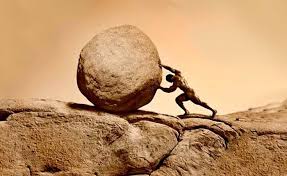
Effort begets motivation… be a snowball!

How To Roll The Hugest Snowball Possible - Your Essential Guide

Sleep deprivation is an epidemic – 1 in 3 are not getting enough sleep

Sleep deprivation is an epidemic – 1 in 3 are not getting enough sleep. If this was some sort of disease or virus I’m certain governments, organisations, and individuals would start taking action. But they don’t. Sleep is seen as something we can divert our attention from because there are just so many other things demanding our attention until late in the evening or early in the morning. Matthew Walker points out that sleep is a biological necessity not an optional lifestyle luxury

We are sleep-walking towards disaster.

“Routinely sleeping less than six or seven hours a night demolishes your immune system, more than doubling your risk of cancer. Insufficient sleep is a key lifestyle factor determining whether or not you develop Alzheimer’s disease. Inadequate sleep – even moderate reduction for just one week – disrupts blood sugar levels so profoundly that you would be classified as pre-diabetic…” (Walker, 2017, p. 3)

  • Walker also undertook a study that showed that by only reducing sleep to 6 hours a night for one week gene’s were effected negatively. He measured change in gene activity and found that 711 gene’s were distorted in their activity and half of those gene’e were genes associated with tumor promotion, long term chronic inflammation, stress and cardio-vascular disease

What gets in the Way?

  • We are Bi-modal sleepers. Before the industrial revolution we used to go to sleep when it got dark and then wake up for a period of time through the night then go back to sleep. But now we can put the lights on and stay awake well into the dark hours
  • The light from our devices, our mobile phones and tablets disrupts melatonin release which is the chemical that helps us get to sleep. This can suppress our desire to sleep for up to 90 minutes. The light from devices close to us is equivalent to day light and therefore increases the length of time it takes us to get to sleep
  • Maybe you’re a night owl – you can read more about that in this blog
  • Maybe the quiet of the bedroom means your mind starts wandering about and finds you all sorts of things to think about – some you might not have thought of for years and others that may be quite current. Family issues, money, work – all of these things can play on our minds in the silence of the bedroom.

  • Sometimes (like me) you might get to sleep and wake up in the early hours and the ‘churn’ begins – you start to think of what is to do the next day – what might you have forgotten – how might you approach this or that.

  • Caffeine plays a role. Lots of things have caffeine in them. The half life of caffeine is about 5 to 7 hours depending on the person so that cup of coffee from six o clock or that coke from 7 o clock is still in your system when you go to bed – and sugar can have the same effect giving you a bit of a buzz

  • Alcohol can mean that you get to sleep easy enough but it’s not good quality sleep – Matthew Walker says that after alcohol you are sedated rather than asleep so your brain and body can’t do all of the things they do while you are sleeping

Some researchers have proposed that the brain does not measure the time we have spent awake, rather, it tracks how hard the brain works while we’re awake, and adjusts the amount of sleep we need accordingly. Research in support of this theory has found that individual areas of cortex can briefly switch off when overworked, even while the rest of the brain is still awake. This temporary shutdown of individual brain areas is termed “local sleep” and thought to be a mechanism that allows the brain’s cells to recover. While a person might not notice it, such a localised shutdown can profoundly affect someone’s performance – for example while driving a car.

For some possible solutions to some of these problems have a look at this earlier blog.

The Power of Small Steps for Making Big Changes

Guest Blog by Emma Grace Brown

When it comes to building healthier habits, too many people decide to make huge, sweeping changes overnight. Almost inevitably, they realize that these massive lifestyle shifts are impossible to keep up and, after a few days of trying without success, they give up entirely and go back to their old ways. As you can see, this isn’t the picture of crafting an effective lifestyle change.

If you’re hoping to make a change in your life, your first step is to let go of this all-or-nothing, everything-at-once mentality. We promise: It’s holding you back. I have put together this guide with Social Work Shorts and Self Care Shorts about how to use incremental changes to point your life in the right direction:

For more helpful content, if you are a social worker or social care professional turn to Social Work Shorts your go-to source of information and obviously there are loads more self care and productivity tips here at Self Care Shorts!

Start Keeping Track

The Ultimate Habit Tracker Guide: Why and How to Track Your Habits | James  Clear

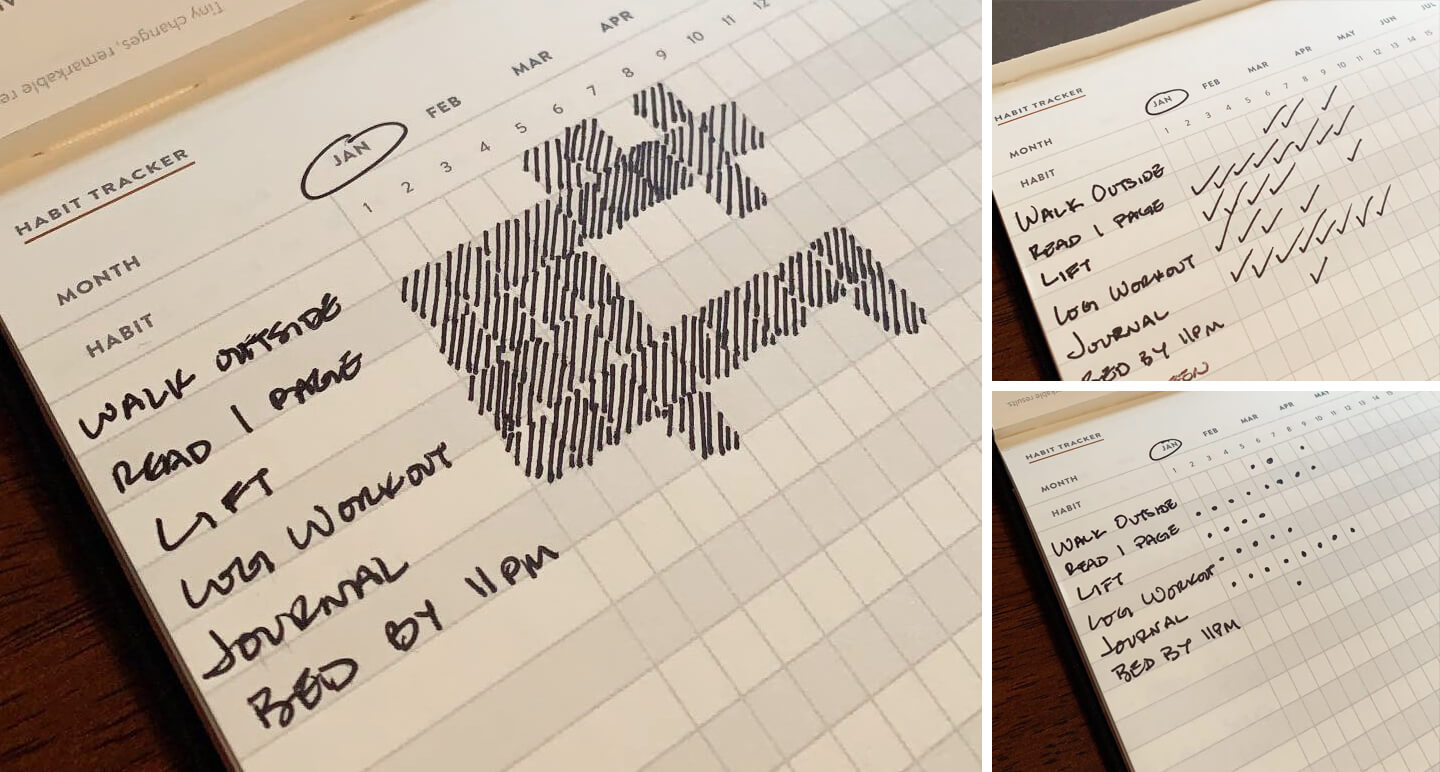
It’s hard to know where to go if you don’t know where you’re starting. That’s why it’s so important to start keeping track of your habits before you start trying to change them. You need a baseline in order to set realistic goals for yourself going forward. Give yourself a month or so to note your current habits, and use that information to inform your next steps.

There are several ways to track your routine. You can use a journal or planner to note how often you exercise, what kind of meals you tend to eat, as well as your mood throughout the day. You can also use a phone or smartwatch or fitness tracker to gauge your efforts. You can even take your tracking efforts one step further with more useful tech gadgets, such as a quality pair of headphones. They can come in handy when following along to a fitness video on your phone or listening to your favorite workout playlist.

No matter what you use to track, remember to take note of both the actions you take and how you feel during the day. For example, you might notice you tend to have more energy after a walk, or feel more anxious on days when you have two cups of coffee. Recognizing these patterns helps you define your goals and gives you solid proof that the choices you make really do matter.

Pelvic Pain When Walking: Causes, Treatment, Prevention

Pick One Small Change

Your first step should be to identify one small, effective change you can make based on the baseline habits you’ve noticed. Let’s come back to the walking example. If you notice you have more energy after your walks, you might decide to try and take a walk every day. Keep it simple – avoid adding specifications about the amount of time or distance you have to walk. Instead, focus on a “no zero days” mentality. If you walk around the block that still counts. Focus on consistency, not perfection.

Once you’ve kept up with this new habit for at least a month, you can start thinking about the next habit you’d like to build. However, it’s important that you use the notes you’ve taken since you added the new habit to define your next steps. After all, if you no longer feel anxious on two-coffee days now that you’re walking more, maybe having two cups of coffee isn’t a problem anymore.

Practice Self-Compassion

Changing habits isn’t easy, even when you give yourself the best start by going small and simple. That’s why it’s extremely important to go into goal-setting periods with self-compassion. If you mess up or fall behind, that’s not a sign of failure. It might be a sign that you need to make things simpler for yourself or try a different habit first, but it doesn’t close a door. Give yourself the space and time you need to grow, and remember that slow progress is still progress.

Self compassion through grief - SAS Life

The all-or-nothing mentality will always hold you back. Learn how to let go of it and, instead, focus on honouring the gradual, back-and-forth nature of change. You might just find that shifting your worldview brings your goals closer than ever before.

You can find more from Emma on her own website here

Photo Credit: Pexels

Self Care and Productivity – the highlights!

Here’s the highlights of the things I talk about in my ‘Three Pillars of Resilience – Self Care and Productivity’ talks.

  • Emotional Pillar
    • While we could have explored the emotional pillar on it’s own, how we feel emotionally is influenced by how we feel physically and how organised we are. If we feel in control of ‘self’ and ‘tasks’ we are more likely to respond pragmatically to things than emotionally
    • We’ll be ‘Competent Pilots’ of our lives as Daniel Goleman puts it
  • Physical Pillar
    • REST
    • Micro/Medium/Macro – all 3 types of rest are important – small rests of a few minutes regularly, medium rests (20 minutes or so) like your lunch break and longer rests on evening and weekends
    • Rest enhances your default mode network
    • Rest improves empathy as a consequence of an enhanced default mode network
    • SLEEP
    • 8 hours is best, from10/10.30 to 6/6.30 – and ask yourself the question ‘are you satisfied with your sleep’
    • The physical health problems associated with lack of sleep are significant
    • The mental well-being problems of lack of sleep are problems with – flow, planning, concentration, and may result in an emotional sea-saw
    • Links to blogs
    • EXERCISE
    • Great stress-buster
    • 20 minutes of gentles exercise a day on average across a week
    • Boosts mood and motivation
    • Improves brain function
    • Links to blogs
    • NUTRTION
    • Has a role in influencing mood
    • Eat lots of plants!
    • Link to blog
    • You are what you eat
  • Practical Pillar
    • Planning and routine are crucial – we thrive on it
    • Multi-task as little as possible – single task
    • Chunk similar tasks together
    • Eat your frogs early in the day/week
    • Break large tasks down into smaller components to overcome procrastination
    • Don’t underestimate the time large tasks will take – give yourself wiggle room
    • Get those small tasks done – 2-minute rule
    • Visualise your day and check you have everything you need – then get into those tunnels
    • Plan as far ahead as is absolutely possible
    • Always check-in with tomorrow at the end of every day
    • Always check in with next week at the end of every week

Other useful blogs
More Emails
Steven Covey’s 7 habits of highly effective people

Post Session material: Blogs

You’ve come across this page either because I shared it with you after you attended one of my ‘training’ sessions or you’ve just found it by chance!

Either way – what I’ve done here is bring together the various links to things I’ve produced that will support you with, or remind you, of what we covered in the sessions.

I’ve stuck mostly to the productivity stuff that I deliver but if you want stuff on Sleep Nutrition or Exercise – click the links
Sleep
Nutrition
Exercise

Here are blogs on some of the productivity ideas I cover – I’ll keep adding more as I write them (Click the titles (in bold) which are links):

Procrastination
The art of ruining your life for no apparent reason! Why does it happen?
Also something here

Right Gear, Right Place, Right Task
Drawing on and adapting the work of Kubicek and Cockram this blog explores how we can be at our best in different situations or ‘gears’.

Stephen Covey’s 7 Habits for Highly Effective People
I love Covey’s ideas and mention some of them in my presentations – particularly ‘Start with the End in Mind’ and ‘Sharpen Your Saw’

Applying the two-minute rule
The two-minute rule just gets things done – if it’s going to take you less than two minutes to do it – just do it

More Emails!
Emails are hugely useful and hugely annoying to manage. In this blog I explore how to get on top of them and keep on top of them. Get that Inbox to Empty!

Finding Success
Finding success relies on viewing time as an asset, working from your calendar (not a to-do list), batching your work into themes (‘chunking’), and learning to say.

The 4 rules of Lunch Breaks
Rest is so important! Lunch Breaks are so important. Read in this blog about the 4 rules of Lunch Breaks – take one, move away, get outside, get active.

Planning: (links below)
Moving a mountain
Set you mind to the planning

Stick to the process

John Deere Tractors - Tractor Hire Uk | Tractor Trailer Hire | Specialist  Agricultural Vehicles

Stick to the process even if you need to replan. Sticking to the process and having a plan are two different things. The process is the order in which you do things, the plan is how you are going to do those things in the order that is required.

My youngest son works on a farm. When it comes to farming there is indeed a process. It would be no good simply deciding to plant crops whenever you fancied. Or getting the ploughing, seeding, and fertilising in the wrong order. You have to do what you have to do in the order you have to do it at a particular time.

Understanding Manufacturing Process Controls in Your Factory -  QualityInspection.org

The first thing is to establish what the process is. This is where you you take the task, the goal, and break it down into all of the steps that it will take to achieve the goal. Now you have a process. In many of the jobs we do there will be processes mapped out. Remember this and get someone to tell you the process if they haven’t already and this will save you a huge amount of time. As a friend said to me recently, “It’s so time consuming not knowing what you are doing”. Unless you are a trailblazer doing something completely unique someone will already know the process. Find that person. Get them to tell you.

Then make a plan. The farm my son works on has a plan and sometimes the plan works and sometimes it rains. When it rains they have to replan the plan. This is fine. One of the benefits of having a plan is that replanning a plan is fairly easy because you have a plan. If you don’t have a plan then you have nothing to replan because you have no idea what you were meant to be doing in the first place. You were just drifting about like a rudderless ship just going wherever the wind and sea takes you. You need to grab the rudder and steer the ship.

When it rains on the farm they can’t work the land. This means that they have to do other things, they can’t just go home! They then plough or seed or fertilise twice as much land tomorrow, working late, or work an extra day. This is how life is.

More Days of Heavy Rain - Conservation in a Changing Climate

The crucial part is having a plan. Have you got a plan?
What came to mind when I asked that question? That’s probably the thing you need to start with. ‘You tend to mention what has your attention’ (or you tend to ‘think of’ in this example). That thing is eating away at your psychological energy to get that thing and other things done. Having a plan helps you settle the thing that is not yet complete in your head and in your system. Then if that’s the thing you need to do you can get on with it. If you don’t need to do that thing yet – then you have freed up psychological capacity to do other things because you’ve sorted the attention seeking task out.

Unmanaged, incomplete tasks drain psychological energy.
Managed, incomplete tasks don’t drain psychological energy (or at least not as much)

Planning is the cornerstone of a productive less stressful life.

Procrastination!

My favourite meme that I have seen about procrastination is that it is ‘The art of ruining your life for no apparent reason!’ Whenever I say when I’m speaking to people about being organised it always raises a smile. It’s one of those statements that resonates with us all! But why do we procrastinate when we know it’s so unhelpful!? There are a number of reasons.

The Job Looks Too Big

If a task looks too big we are unlikely to have a single slot in out busy lives in which to undertake the task. If we can’t find a slot we put it off until we absolutely can’t put it off any longer and then we have to work late or pull an all-nighter. This is not a good approach! The secret is to break the task down into its constituent and smaller parts. The steps you will need to take to complete the big task. This makes it easier to slot each step into a pocket of time when we’re planning – allocating time to task. This means we chip away at the big task by doing each steps and this fuels motivation because we really feel then that we are getting somewhere.

The Job Looks Too Difficult

Sometimes we don’t have (or feel we have) the skills or the knowledge to do the task – or there’s ambiguity in the instructions. We put off asking for advice or acquiring the knowledge because we don’t want to look like we don’t know what we’re doing – then eventually – we look like we don’t know what we’re doing because the task didn’t get done! Always seek advice. That’s a much better strategy than putting the task off.

The thing we need to do is not causing us ‘imminence pressure’

“Oh that thing! That’s ages off yet!” Bet you’ve said that! We all have. And then all of sudden ‘ages off’ is tomorrow!

Planning brings the future into the present so we can do something with it and consider the enormity of the task at hand. We can then break it down into its parts and diary the parts. Sometimes we underestimate how long something will take – we do this a lot with big tasks the psychologists tell us – and then when we have to do it at the last minute we find we haven’t got enough time. Going through the process of breaking the task down helps us work out just how much time we actually need.

We don’t have what we need to get started

When this happens it’s usually because we’ve not planned effectively. The point at which you set about starting the task is not the time to make sure you have everything. You need to plan and organise so that you have what you need available to you at the point in time set aside to do the task.

You can’t plan and do at the same time – they require different sets of mental skills – time spent in planning is paid back when we get to the doing.

Tim S Grover in his book Relentless says this that seems to resonate with peopl…… Do the work. Every day you have to do something you don’t want to do. Every day. Challenge yourself to be uncomfortable, push past the apathy and laziness and fear. Otherwise, the next day you’re going to have two things you don’t want to do, then three and four and five, and pretty soon, you can’t even get back to the first thing. And then all you can do is beat yourself up for the mess you’ve created, and now you’ve got a mental barrier to go along with the physical barriers.

Those who can achieve flow procrastinate less

Those who plan overcome procrastination. They have less ‘Boundary Moments’ – the point at which a decision is required. You’ve made the decisions in advance so can get to the doing of the next task without thinking ‘what next’. The less obstacles we put in our way – the fewer times we have to make a decision about what to do next – the less likely we are to procrastinate.

Self Care Shorts: Recommended Books

There are many books that cover the areas I talk about but these are my particular favourites that I have found helpful…. have a look!

And obviously my own!

‘How to Thrive at Work’ is aimed at everyone while ‘How to Thrive in Professional Practice’ is aimed at Social Workers. Both are very similar in content so if you are going to buy one – buy one or the other.

Right Gear, Right Place, Right Task

Croytec Land Rover: Puma Gear and Transfer Stick Assemblies

The key skill I advocate for people to engage with for being productive – and by that I mean living your best life (not just work!) – is planning. You will consistently fail to put yourself in the right place at the right time for the right task if you don’t plan meticulously.

Planning means that you are where you need to be when you need to be there and in the right gear for the task. Being in the right gear also helps you to relate effectively to those around you. As well as knowing the ‘what to do’ and ‘why to do it’ of self-care we need to think about the when and where of self-care. We also need to be mindful of the impact we have on the self-care of others – both positive and negative. Remember, when I say self-care I don’t just mean the stuff you do to rest and recover. I also mean the self-care you engage in by being ready for tasks. In the right frame of mind and in the right place. Free from distractions if that’s what you need!

I keep mentioning gears – so let me tell you about this model that I heard about from….theGiANT Liberator Podcast hosted by Jeremie Kubicek and Steve Cockram. Find it here.

The Gears idea is not my idea. It is there’s. Although I’ve modified it slightly as I didn’t quite agree with a couple of points (despite their worldwide success!)

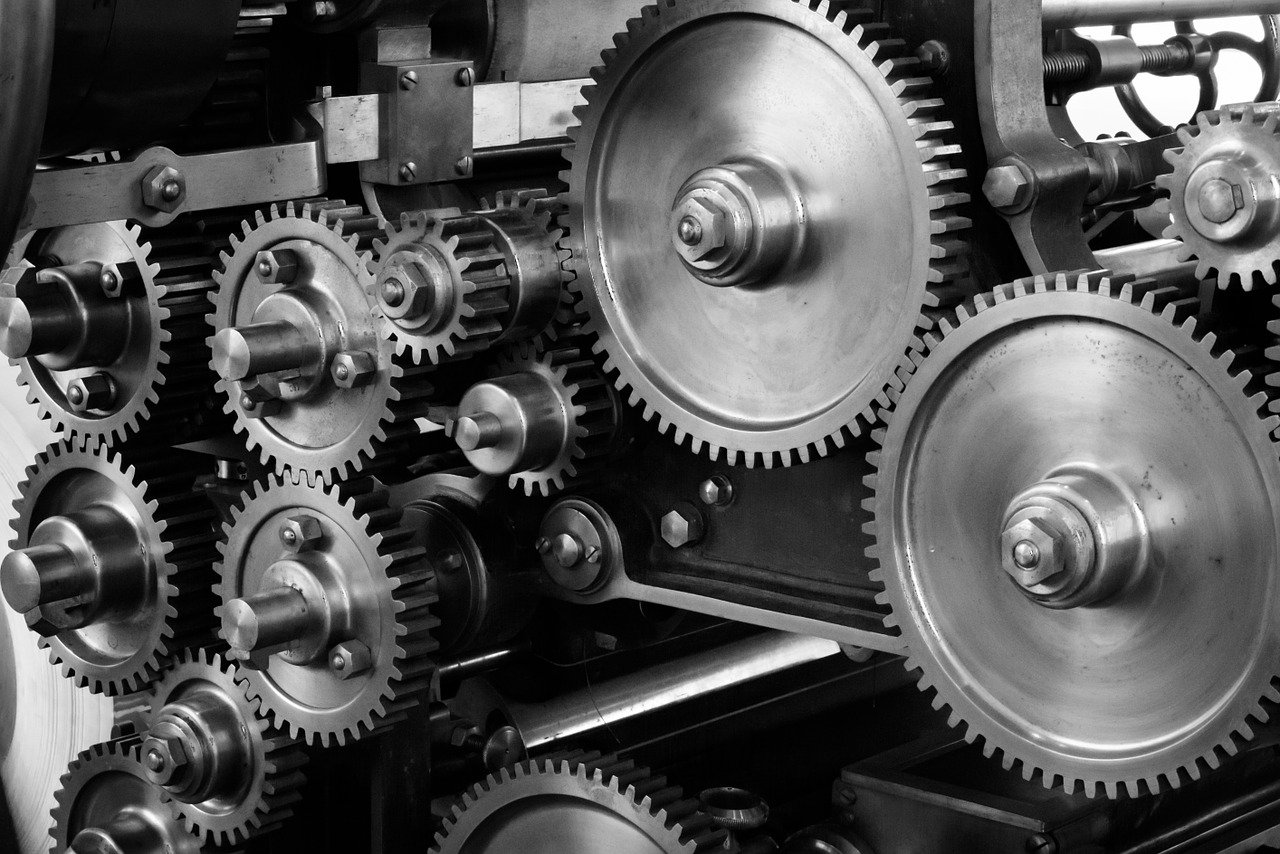
They suggest we spend our time in one of 5 gears – like the gears in a car. And it’s crucial to be in the right gear at the right time and in the same gear as those around us. So let’s have a look at what they say about the gears – slightly interpreted by me!

Take rest, to work better

1st Gear: Rest and recuperation

In a car first gear gets you going from a stationery position. First gear helps you get started. Going into first gear will also slow you down (ask anyone who has gone to change into 3rd gear in a car and hit first instead!) And first gear give you lots of control. When you want to do a tricky manoeuvre you need to be in first gear. So this is the gear to be in to get started or to move into to slow down to rest and recover.

It’s so important not to see self care as a ‘fall out’ option – it’s not something we need to do when we’ve ran out of energy, resolve, or personal resources. It’s something we do to maintain those things as best we can and we have to go to it before we hit problems – it’s a whole life thing. So getting into first gear regularly is very important.

We need to rest physically and mentally as good rest restores our attention to task. The problem with rest is we don’t do it often enough. Caroline Webb suggests we need a pit-stop strategy. We need micro pit-stops – a few minutes here and there for a quick recharge. Then a medium size pit strategy maybe at lunch time to replenish resources for the afternoon. And then a macro pit strategy for evenings and weekends. What are you going to do when you have a pit-stop to recharge?

Being outdoors is good for beating stress. Research has shown that from a psychological perspective it can be more effective than indoor exercise particularly around managing every day hassles and feeling mentally well balanced. Being outdoors in the early morning sunlight primes the process for sleep at the end of the day. Walking for 30 minutes beats stress and means you’ve already had some great physical exercise without barely trying. Walking mindfully, and deep breathing, is good for you. Research with social workers who engaged in mindfulness showed a reduction in sickness and stress levels…. suck in that fresh air!

The Lessons Being a Childless Woman Has Taught Me About Families

2nd Gear: Family and friend’s time

How we spend our time resting can be both a solo activity and an activity with others – rest is sometimes about actively engaging (trips out, going for a walk with others) as well as taking yourself away (journaling, meditation, walking on your own). Spending time with family is so important for our well-being and relationships. Been in 2nd gear when you’re with your family and they are in 2nd gear is essential.

In 2017 researchers Izenstark and Ebata wanted to see if time outdoors led to better attention on tasks and a strengthened a family bond. They selected mother-daughter pairs where the daughter was between 10 and 12 years old. Firstly, they were tasked with going for a walk outside or around shopping centre. Their ability to attend to a task was tested before and after the walk and then they were asked to play a game together that required teamwork.

Those who benefited the most were the mother-daughter pairs who had walked in the natural setting rather than in the shops. Positive interactions between mother and daughter improved after the outdoors walk. Attention was improved for the mothers during the nature walk and during both walks for the daughter. The nature walk created a positive impact on both cohesion and closeness. The mothers and daughters were unanimous – the nature setting was more relaxing or as psychologists call it – Softly Fascinating.

How to get on with your work colleagues - Lincoln College

3rd Gear: Social Connections (Friends Family & Colleagues)

I’m thinking here of the time you spend with colleagues particularly, not doing the work but socialising. Time spent socialising in work settings or during breaks at work is really important. The relationships we have at work have an impact on overall quality of life but also on the psychological safety we feel in those places. That’s the ability to feel comfortable enough with a group of people that you bring your authentic self to the work you do. You feel comfortable sharing all of your ideas and are part of the team. That chat making coffee or at the water cooler is so important.

The connections we share beyond our most intimate family and with our friends are also important for our well being. The secret in the workplace is to not let people in 3rd gear get in the way of you when you are in gears 4 and 5.

Sitting in Front of the TV May Be Worse for Your Heart Than Sitting at a  Desk | Live Science

4th Gear: Work Tasks

The ‘Work Tasks’ I’m thinking of here for 4th Gear are all of those things that you need to do that maybe connect you to other people or get things organised for the day. Your planning time, quick conversations with colleagues or your manager to check things out, emails, phone calls. Short tasks that you need to do to get things moving forward or to keep things moving forward. But not your ‘Deep Work’ tasks. They are for 5th Gear. You should start your day in planning mode – visualising you day, checking you have all the things you need to hand for all of your tasks, and at the end of the day making sure all is in order for tomorrow. This helps you connect at the start of the day with tasks you need to do and then disconnect from work at the end of the day – so you can leave it behind.

7 ways to stay focused at work

5th Gear: Deep Work

Deep Work is the work that needs your absolute focussed attention to the elimination of all distractions. Work that requires you to be in ‘flow’. Crucial here is right place and right time for the right task. You can’t do Deep Work if you are wondering whether everything is sorted for later or tomorrow or tonight or if there are unmanaged emails – that’s why you have to move through the gears in order. You can’t do Deep Work effectively if you are constantly being interrupted.

Gear Problems

Our relationships with people and tasks work best when we are in the right gear at the right time for the right task – and in the same gear as those around us and when in social environments or communal environments (workspaces or with family friends and colleagues) we are in the same gear.

Imagine you’re in 4th Gear – working on your planning or short tasks or 5th Gear Deep Work. Maybe you’re writing a report or you’re deep in reading something – getting stuff done – and someone enters your workspace in 3rd Gear (Social Connections). ‘How was your night’ ‘Did you see that thing on the TV’ ‘You’ll never guess what happened to me on the way in’ ‘do you want a coffee’. You have a choice – either stay in 4th or 5th gear and try your best to stay focussed (difficult!) or you change down to 3rd gear and match them causing you to stop work. Now – there are positives and negatives in every situation – I don’t knock work based conversations for beating stress – but there is an impact. This is particularly difficult in organisations that allow us to work flexibly. I’m a 7.30/8 person for getting into work – so by the time some of my colleagues arrive at 9/9.30 I’m at least in Gear 4 or even Gear 5. They are in Gear 3 hell bent on getting me to engage. The problem with human nature is that we don’t like to ignore people, so we change down and stop what we are doing – this means we take a productivity hit because of the actions of someone else. We need to be mindful of this.

Later in the day….. Imagine you need to be in 5th Gear because you’ve got some deep work to do – that report to write – and the chatter keeps dragging you back to 4th Gear or 3rd Gear. The irony is it’s often someone off-loading – often about how much they have to do and how they wonder how they are even going to get it done! They are not getting on with their task and now they’ve stopped you! Right place for right task! If you need quiet find quiet. My hope, as one of the consequences of this last year is that organisations can see that people do get stuff done when in other places. Deep work needs quiet. For some quiet is at home. Or maybe we need some sort of isolation booth in the office for people to deep work in. One thing is for certain, noisy open plan office environments are not good for deep work. They are good though for collaboration and idea exchange and professional support – so I’m not knocking them…. Right place for the right job.

Another example….. you get home and everyone else is in 2nd gear – family time – and your head is still at work in 4th gear – working mentally on all of those unfinished and unmanaged tasks – collision course! Right place for the right task – this is your time and your family and friends time. Maybe you’re at home and you feel the need to check your work emails dragging yourself into 4th Gear when you should be in 2nd gear or 1st. We need to think carefully about the message this sends to the people around us.

So, we need to move through the gears

You start the day coming out of a period of rest – you will have been asleep (Gear 1) – you may even do some Gear 1 activities when you start your day – quiet cup of coffee, or read a book, maybe some yoga. You may well then move into Gear 2 and connect with those around you before heading off to work where you will hit Gear 3 and maybe pass the time of day with colleagues. You will then need to move into Gear 4 – planning, emails, short tasks and then eventually you will settle down into Gear 5 Deep Work. You will move between 4th and 5th Gear throughout the day and slip into 3rd Gear for lunch. At the end of the day you will come down to Gear 4 and deal with short tasks that have accumulated while you have been Deep Working. You will change to Gear 3 as you bring your working day to an end, then into Gear 2 as you connect with family and friends and then Gear 1 as you rest. You might, on an evening or a weekend, drift between Gears 1, 2, and 3, but what is crucial is right gear for the right ‘job’. Right gear allocated to the right time, and being conscious of the gear those around you are in.

Structure is everything to generate flow. Flow is the art of being in the moment to the exclusion of everything else – with your family totally, with your colleagues totally, one your own totally for deep work or for rest. Planning and routine are the dominant forces in this area

Right gear – right environment – for the right task – at the right time

That takes planning

Set your Intention for the gear you are in – Pay Attention – Rest – Repeat

Stephen Covey’s 7 Habits for Highly Effective People

How to Form Better Habits as an Entrepreneur

The message that I’m going to give you here is a simple one….

Keep engaging in the same habits and you’ll get the same results
Engage in different habits you’ll get different results

Simple!

So if you are aceing all of your habits – good job! But maybe a little reflection on our habits at some point is good for us all. What are the things that are constantly getting in your way? What are the things you do that seem to keep throwing you off course? What might you want to change, what might you want to be different? What habits would make things better. Pick better habits and you’ll get better results.

When thinking about developing a habit – Think trajectory as well as goal

We set goals quite easily but we need to plan how to get there. Habits help us achieve things. Habits help us achieve our goals (or they get in the way!)
How you go about your business is more important than the goal (even though the goal is important). ‘I will run 3 miles’ is a goal – but you won’t ever do it unless you figure out what the process is to get there. You need to break the goal down into manageable steps and form habits to get you there. And if you engage in negative habits they’ll get in the way of running 3 miles.

Small changes over a period of time lead to big changes

Changes that are small and seem unimportant (going for a walk, eating well, drinking less caffeine) appear unimportant but compound over time – daily choices compound over time

Small – fairly inconsequential steps – lead to massive transformations. We needed to develop positive habits (and maybe hang onto one or two of the bad ones ;-)!) The problem is some of the ways we operate can have a negative impact on us overall.

Zoom out

The problem is when we’re stressed – when we’re up against it – we tend to have a narrow view of what’s going on – we focus on the single thing causing us stress. What we need to do is zoom out and look at the big picture. And when we stand back a clearer picture often emerges. When we stand back it allows us to think about a priority. It gives us the space to consider next steps. It gives us the chance to consider what we may need to change in our environment or in terms of our habits – what we need to change in ourselves. Looking at the bigger picture can help us overcome overwhelm as long as when we’re looking at the bigger picture we take what we find, break it down into what needs to be done, and then make a start.

Stop Setting Goals And Start Building Habits - Focus

Construct habits one step at a time – start small looking for small changes that will lead to transformation

So, what habits might we want to think about establishing – what things can we focus on that over time might transform how productive we are at life….

Stephen Covey’s 7 Habits

Proactive vs. Reactive: How Savvy Use of Analytics Helps Contact Centers  Navigate and Adapt to Uncertainty | NICE inContact

1. Be Proactive

The problem is that people are much more inclined to be reactive. Rather than plan, rather than control what they can, they just wait to see what happens and then react. One of the things we can do is bring the future into the present and consider it, so that we can, as far as possible, predict it. This has a fancy word. It’s called planning. ‘Control it or it will control you’ (David Allen – Getting things Done)

Visualize: Business Lesson #1 - International Image Institute

2. Begin with the end in mind

Where are you going and how are you going to get there. Visualise what you want to achieve this week, this month, this year… this life! This is rooted in your values. Covey talks about Personality Ethics – how you look from the outside – your image – your concern for how other people view you. He says that this is not what we should be rooted in but rather we should be rooted in character ethics – what we are inside. The fabric of our person, not what we look like to other people is what’s important. Values – your values – should drive your goals and your habits

First Things First - YouTube

3. Put first things first

There is a disconnect about how we talk about the things that we know are good for us – or the things that we want to do – and actually doing them. Most of know what we should eat and that we need to exercise but do we do these things effectively!? We procrastinate – which is the art of ruining your life for no apparent reason!
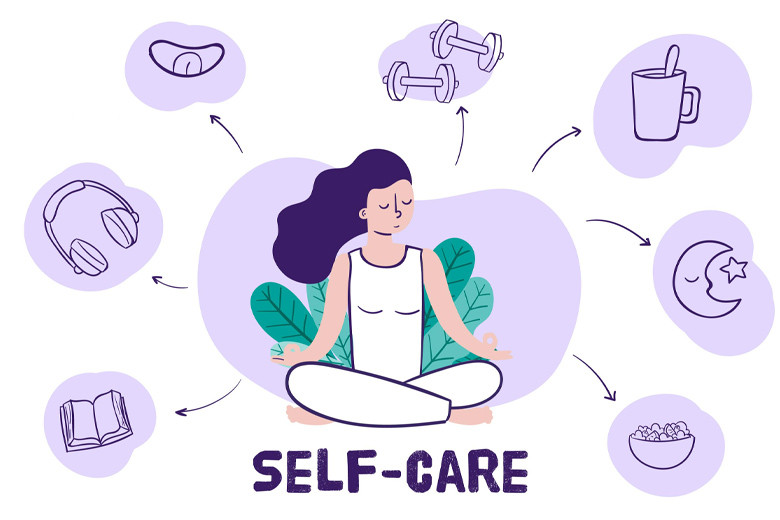
We allow ourselves to disconnect from the things that really matter
From activities, family, friends and rest.

You need to figure out what your first things are by ‘Beginning With The End In Mind’ and then by ‘Being Proactive’ in pursuing your first things first. The science and the research tells us what the first things should be. Rest and recovery, sleep, exercise, nutrition, connecting with others.

How to Create Marketing Win-Win Scenarios - Trade Press Services

4. Think Win-Win

Thinking win-win is about connecting things together (This is not quite how Covey talks about it – but similar). Combine things to encourage habits by connecting something you don’t like doing with something you do like doing – win – win. Instead of walking the dog on a morning – I run with the dog. The dog gets ‘walked’ and I get a run!

Or see planning as a productive process, not time wasted, but time invested
It will mean that you feel more in control of the tasks you have to do and then when you get to the task it will mean you should have everything you need in place. You’ll be in the right place at the right time for the task you are undertaking. So stopping and taking precious time out will be good for you and will mean you get to stand back and take stock and then be better organised – win – win

Research tells us that unmanaged – incomplete tasks drain psychological energy and capacity but managed tasks – even when still not completed -have less of a psychological drain. This allows you to focus on the task at hand while the other tasks wait patiently for their turn. So spending that precious time in planning means you can leave behind the things that are waiting to be done and get on with the next thing you need to do.

Journal Club: How much you think you understand depends on what you believe  others understand | National Academy of Sciences

5. Seek first to understand and then to be understood

By understanding the other person first, you will have taken time to build a relationship and you will be able to cooperate effectively in whatever you are doing. This will support a good working relationship or a good family relationship and will improve the emotional content of interactions.

Seeking to understand may be self reflection. You may be trying to know yourself better or understand what you may need to changed. Know yourself to lead yourself.

Use These 5 'Cogs' to Plan Lessons Like a Pro

6. Synergise

The whole is greater than the sum of the parts. In all the areas of self-care (physical, emotional, practical) small steps over time will lead to big changes and all of these things interact and support each other…..
– you eat better – you feel more like exercising – you exercise – you sleep better – you sleep better you work better – you work better (more efficiently) you feel more able to rest – you rest better you feel more able to look after your nutrition or you exercise – and so it goes.

Also, collaborate – synergise with others. Work with your family on meal prep, buddy up for exercise, make a pact to take a lunch break and lunch together with a colleague.

Self-care is very important. Here's why you need to invest in YOU! |  Goodhomes.co.in

7. Sharpen the saw

Self care is a necessity not a luxury. If you spend all of your time sawing down trees your saw will become blunt. If you don’t take time to sharpen your saw the trees will take longer and longer to cut down. We need to keep our minds sharp by resting and recovering effectively and by initiating good self-care.

Growing Healthy Habits - CrossFit Leyland

Keep engaging in the same habits and you’ll get the same results

Engage in different habits you’ll get different results